How Much Money Can You Save by Cycling Instead of Taking the Tube?
For many Londoners, the Tube is a part of daily life. It gets people across the city quickly and connects almost every corner of the capital. However, convenience often comes at a price. With transport costs continuing to rise, many commuters are looking for ways to reduce their monthly expenses without sacrificing their ability to get around.
One option that has become increasingly popular is cycling. More people are swapping crowded platforms and delayed trains for bike lanes and fresh air. While cycling offers several benefits, including improved fitness and reduced environmental impact, one of the biggest advantages is the amount of money it can save.
So, how much can you really save by cycling instead of taking the Tube? Let’s break it down.
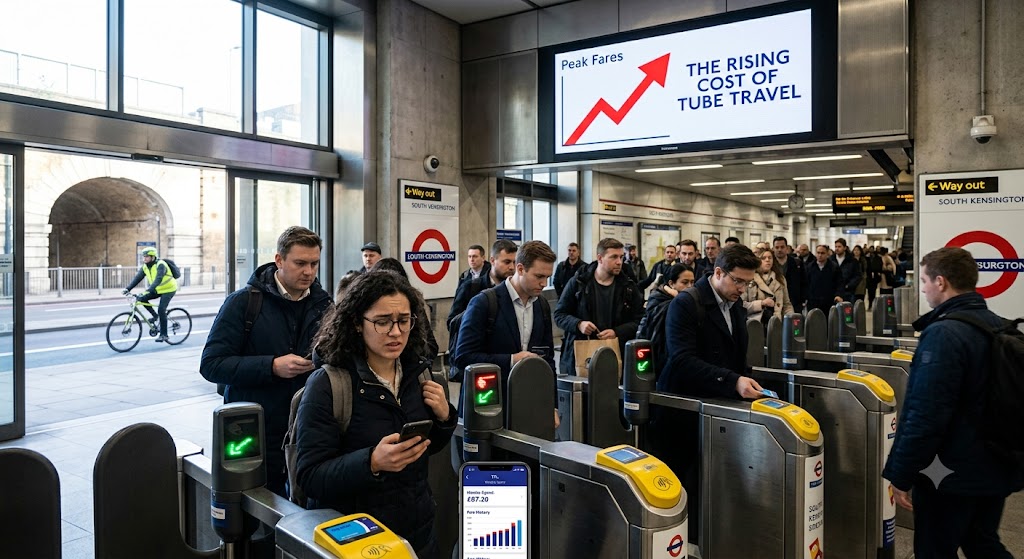
The Rising Cost of Tube Travel
The London Underground is one of the world’s most famous transport networks, but regular use can quickly become expensive.
A commuter travelling five days a week often spends thousands of pounds each year on public transport. Depending on the zones travelled and the frequency of journeys, monthly travel expenses can take a significant chunk out of a person’s budget.
When you add occasional weekend travel, extra journeys, and annual fare increases, the total cost becomes even more noticeable.
For many people, transport is one of their largest monthly expenses after housing and utilities.
What Does Cycling Cost?
At first glance, buying a bike may seem like a major expense. However, unlike Tube fares, most cycling costs are one-time purchases or occasional maintenance expenses.
Typical cycling costs include:
- Purchasing a bike
- Helmet and safety equipment
- Bike lock
- Lights and reflectors
- Routine maintenance
- Occasional repairs
Once these essentials are purchased, the ongoing cost of cycling becomes surprisingly low.
A well-maintained bike can last for years, making it one of the most cost-effective forms of transportation available.
Comparing Annual Costs
Let’s look at a simple example.
Imagine a commuter spends around £8 per day travelling on the Tube.
Over a typical working year of 240 commuting days:
£8 × 240 = £1,920 per year
Now compare that with cycling.
A quality commuter bike might cost £500 to £800. Add safety gear and accessories, and the initial investment may reach around £700 to £1,000.
Maintenance costs for the year could be approximately £100 to £200.
Even in the first year, many cyclists spend less than they would on Tube fares. In subsequent years, the savings become even more significant because the bike has already been purchased.
Over five years, the difference can amount to several thousand pounds.
Saving Money Beyond Transport Costs
The financial benefits of cycling extend beyond simply avoiding Tube fares.
Reduced Taxi and Ride-Hailing Expenses
Many people rely on taxis or ride-hailing services when public transport becomes inconvenient.
Late-night journeys, engineering works, and transport disruptions often lead to additional spending.
Cyclists have greater flexibility and can avoid many of these extra costs.
Lower Gym Membership Costs
Cycling provides regular physical activity as part of your daily routine.
Many commuters find that their cycling journeys help them stay active without needing expensive gym memberships.
While some people still enjoy going to the gym, others discover that daily cycling contributes significantly to their fitness goals.
Less Spending on Parking
For those who occasionally drive into London, parking charges can quickly add up.
Cycling removes the need to pay for parking, congestion-related costs, and fuel expenses for many local journeys.
The Hidden Cost of Tube Commuting
Transport costs are not always limited to fares.
Many commuters spend money on:
- Coffee during morning transfers
- Snacks while waiting for trains
- Convenience purchases during commutes
- Extra travel due to missed connections
These small purchases may seem insignificant, but they often add up over the course of a year.
Cyclists often find themselves making fewer impulse purchases during their commute, leading to additional savings.
Time Is Money
While this article focuses on financial savings, time is another valuable factor.
During peak hours, Tube stations can become crowded, leading to delays and longer journey times.
For shorter distances, cycling is often surprisingly competitive.
Many London commuters discover that cycling provides a more predictable journey because they are not dependent on train schedules or service disruptions.
Saving time can lead to better productivity, less stress, and a more enjoyable start to the day.
Health Benefits That Save Money
Good health has financial value.
Regular cycling can contribute to:
- Improved cardiovascular health
- Better mental wellbeing
- Increased energy levels
- Better sleep quality
- Reduced stress
While it’s difficult to calculate an exact monetary value for these benefits, healthier lifestyles can reduce certain healthcare-related expenses and improve overall quality of life.
Many cyclists report feeling more energetic and productive after making the switch from public transport.
Environmental Savings Matter Too
Although environmental benefits don’t directly increase your bank balance, they contribute to a healthier city.
Cycling produces virtually no emissions during use.
As more people choose bikes over motorised transport, air quality improves and congestion decreases.
Many commuters feel good knowing that their daily journey has a smaller environmental footprint.

What About Bad Weather?
One common concern is London’s unpredictable weather.
Rainy days can make cycling less appealing, but modern cycling gear makes year-round riding much easier than many people expect.
Waterproof jackets, overshoes, and mudguards help riders stay comfortable during wet conditions.
Even if you occasionally use the Tube during particularly bad weather, regular cycling throughout the rest of the year can still result in substantial savings.
Is Cycling Suitable for Everyone?
Cycling may not be practical for every journey or every individual.
Factors such as distance, fitness levels, and workplace facilities can influence whether cycling is the right choice.
However, many Londoners are surprised to discover that routes they assumed were too long are actually manageable by bike.
Electric bikes have also made cycling accessible to a wider range of people by reducing the physical effort required for longer commutes.
For those who are unsure, starting with one or two cycling days per week can be a great way to test the experience while still reducing transport costs.
Real Savings Over Time
Let’s imagine a commuter saves £1,500 per year by cycling instead of relying on the Tube.
Over five years, that equals:
£1,500 × 5 = £7,500
That’s enough money to:
- Take a holiday abroad
- Build an emergency savings fund
- Upgrade your bike and equipment
- Invest in personal goals
- Reduce financial stress
The long-term impact can be significant, especially when combined with the health and lifestyle benefits that cycling provides.

Final Thoughts
Cycling is more than just a way to get from one place to another. It is a practical solution that can help Londoners reduce transport costs, improve fitness, and enjoy greater freedom in their daily routines.
While the Tube remains an essential part of London’s transport network, many commuters are discovering that cycling offers a smarter and more affordable alternative for at least some of their journeys. Even replacing a few Tube trips each week with bike rides can result in noticeable savings over time.
If you’re considering making the switch, investing in a reliable bicycle is the first step toward lowering your commuting costs and enjoying a more active lifestyle. At Chelsea Bikes, you’ll find a wide selection of quality bikes designed for city commuting, leisure riding, and everyday travel, helping you get more value from every journey while keeping more money in your pocket.