Bike Tyre Pressure Guide: What PSI Should You Use?
Tyre pressure is one of those small details that can completely change the way your bicycle feels. You might have the right bike, a clean chain and perfectly adjusted gears, but if your tyres are carrying too much or too little air, your ride can still feel uncomfortable, slow or unpredictable.
This is especially noticeable when cycling around London. One minute you could be riding on smooth tarmac, and the next you might hit a rough cycle lane, a pothole, a drain cover or a section of broken road.
So, what PSI should you actually use?
There is no single number that works for every cyclist. The correct pressure depends on your tyre size, bike type, body weight, luggage, riding surface and whether you use inner tubes or a tubeless setup. The number printed on the tyre sidewall is also important and should never be ignored.
Here is a simple guide to help you understand bike tyre pressure and find a sensible starting point.
What Does PSI Mean?
PSI stands for pounds per square inch. It is one of the most common measurements used to describe tyre pressure.
You may also see pressure written in bar on some tyres and pumps. For example, 4 bar is roughly 58 PSI.
When you use a bicycle pump with a pressure gauge, the PSI reading tells you how much air pressure is inside the tyre.
The important thing to remember is that the highest number printed on your tyre is not necessarily the pressure you should use every time. It is usually a maximum limit or part of a recommended range. Your actual riding pressure should be selected within the appropriate limits for your tyre and setup.
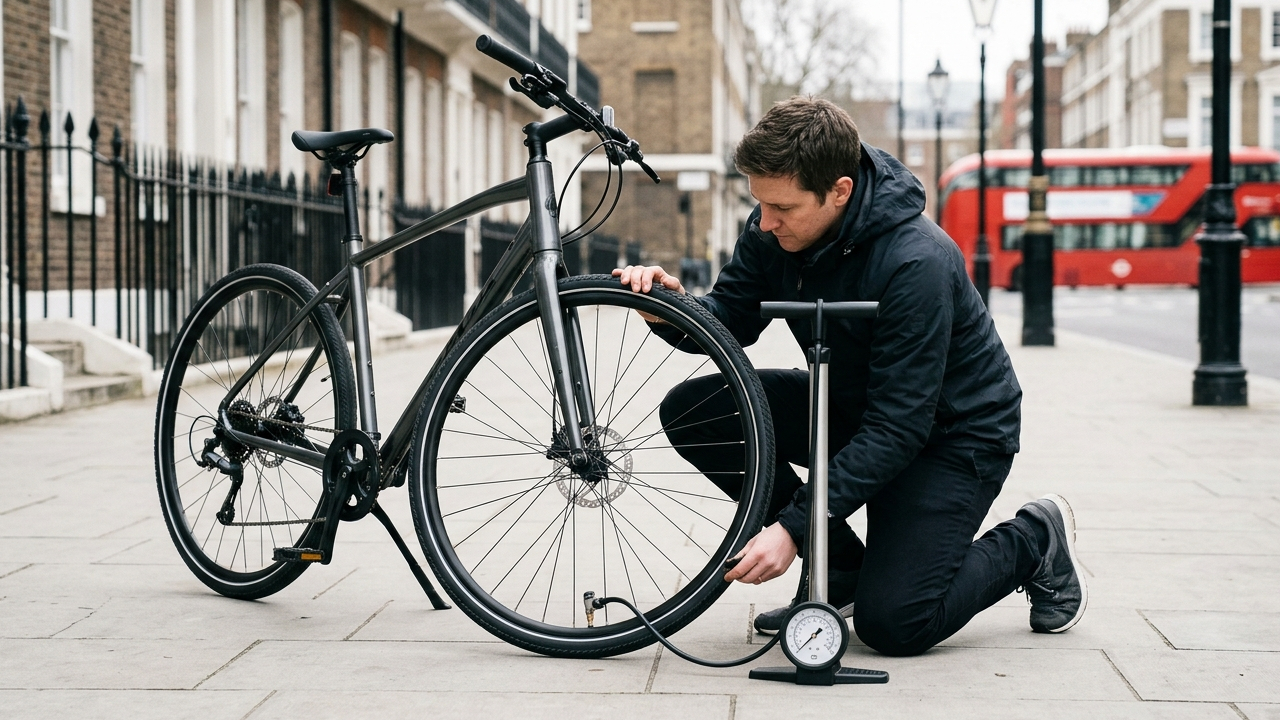
Why Is the Correct Tyre Pressure So Important?
Tyre pressure affects much more than simply how hard your tyres feel.
The right pressure can improve:
- Comfort
- Grip
- Handling
- Rolling efficiency
- Puncture protection
- Stability
- Overall riding feel
If your tyres are too hard, your bike can feel harsh over rough roads. You may also notice more vibration through the handlebars.
If your tyres are too soft, the bike can feel heavy and sluggish. On bikes with inner tubes, extremely low pressure can also increase the risk of pinch flats when the tyre hits a pothole or sharp edge.
The goal is to find a sensible balance rather than simply pumping the tyres as hard as possible.
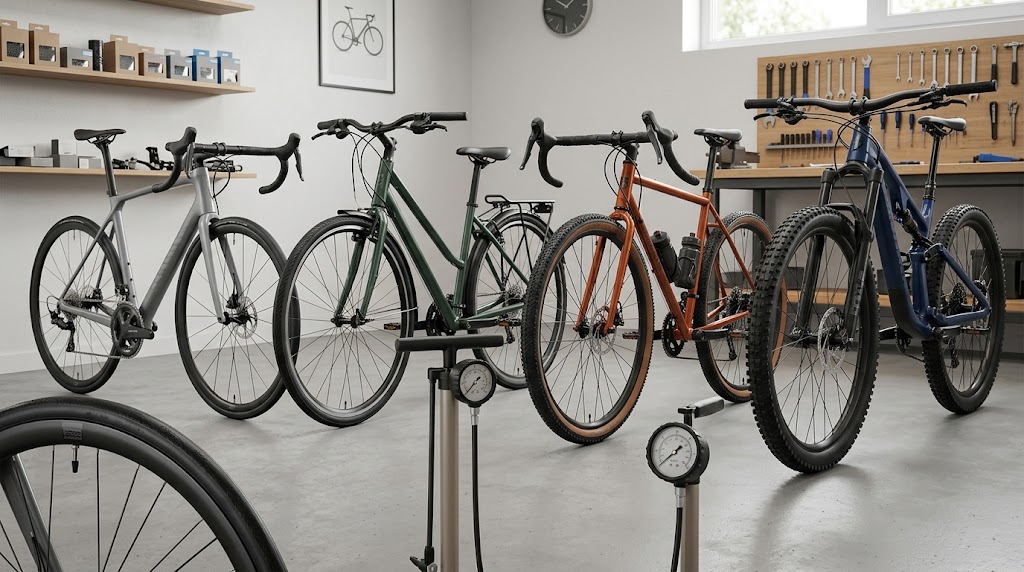
General PSI Guide by Bike Type
As a starting point, different types of bicycles normally use very different pressures.
Road bikes: around 65–100 PSI
Hybrid and city bikes: around 40–70 PSI
Gravel bikes: around 30–55 PSI
Mountain bikes: around 20–35 PSI
These are only broad starting ranges. The exact pressure can be quite different depending on the tyre width and manufacturer’s recommendations. Modern tyre-pressure guidance increasingly focuses on the complete setup rather than simply saying that every road bike needs a very high pressure.
Always check the pressure range printed on your tyre before making adjustments.
Road Bike Tyre Pressure
Road bikes generally use narrower tyres, which means they require more pressure than wide mountain-bike tyres.
For a typical road bike, a starting point somewhere around 65–100 PSI may be reasonable, depending on the tyre width and rider weight.
However, you should not automatically inflate your tyres to 100 PSI just because the number falls within this range.
Modern road bikes often use wider tyres than older models, and wider tyres can be run at lower pressures while still providing good support and efficiency.
If you are riding mostly on smooth London roads, you may prefer a slightly firmer setup. If your route contains rough surfaces, a little less pressure within the manufacturer’s recommended range may give you a more comfortable ride.
Hybrid and Commuter Bike Tyre Pressure
Hybrid bikes are extremely popular with everyday London cyclists because they can handle commuting, leisure rides and cycle paths reasonably well.
Many hybrids use tyres around 32–45mm wide, although there are plenty of exceptions.
A useful starting range for many hybrid and city bikes is approximately 40–70 PSI. For example, some 35mm tyres may sit towards the higher end, while wider tyres can often run at lower pressures.
If you ride over rough roads, lowering the pressure slightly within the tyre’s safe range can improve comfort and grip.
If you regularly carry a heavy backpack or panniers, remember that your total load has increased. That can affect the pressure your tyres need.
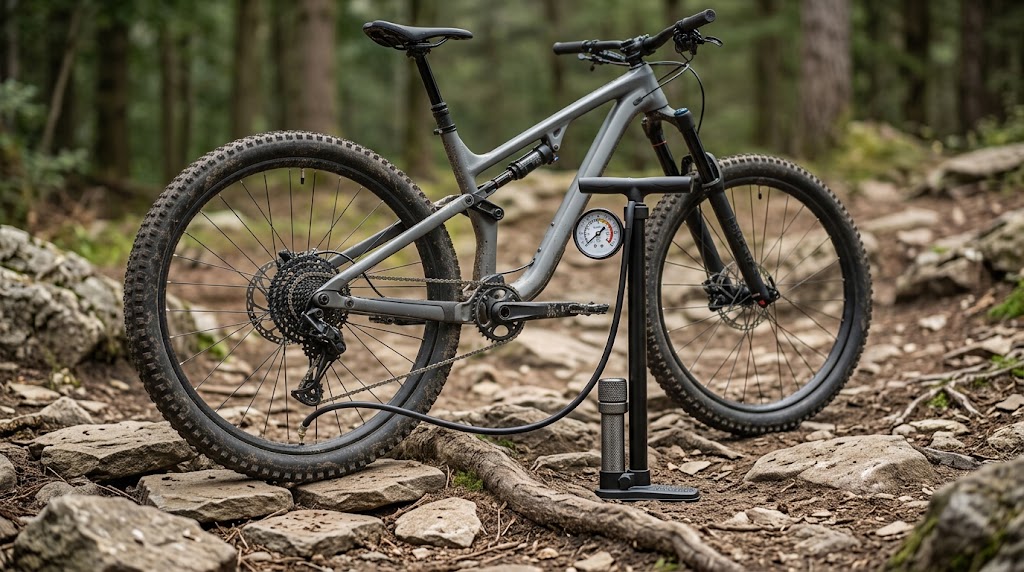
Mountain Bike Tyre Pressure
Mountain bikes are designed around much wider tyres, so they normally operate at significantly lower pressures.
A general starting range can be around 20–35 PSI, although the correct figure depends heavily on tyre width, rider weight, wheel size, terrain and whether the tyres are tubed or tubeless.
A mountain bike used mainly on roads may need a different setup from one being ridden over rocky trails.
If you ride technical off-road terrain, extremely high pressure can reduce grip and make the bike bounce over obstacles. But going too low can increase the chance of tyre or rim damage.
Finding the right balance takes some experimentation.
Your Weight Makes a Difference
Two people riding the exact same bicycle may need different tyre pressures.
A heavier rider places more load on the tyres, so the tyres generally need more pressure than they would for a lighter rider.
This is one reason why pressure charts should be treated as starting points rather than universal rules.
Your bike’s weight, luggage and other equipment also contribute to the total load.
If you commute with a laptop, clothing, tools and other equipment in panniers, your setup is different from someone riding the same bike with nothing but a water bottle.
Tyre Width Changes Everything
One of the easiest ways to understand tyre pressure is to remember this simple rule:
Wider tyres generally use lower pressure than narrower tyres.
A narrow road tyre has a smaller air volume and normally needs higher pressure to support the rider.
A wider hybrid, gravel or mountain-bike tyre contains considerably more air and can provide support at lower pressure.
This is why you should never copy the PSI from another cyclist’s bike without checking your own tyre size first.
Your friend’s 28mm road tyres may require a completely different pressure from your 40mm hybrid tyres.
Front and Rear Tyres Don’t Always Need the Same Pressure
Your body weight is not distributed equally between the front and rear wheels.
The rear wheel usually carries more of the rider’s weight, which means some setups benefit from running slightly higher pressure at the rear.
However, there is no universal front-and-rear PSI rule because tyre construction, rider position and manufacturer’s recommendations all vary.
If your tyre manufacturer provides separate front and rear recommendations, follow those figures.
Otherwise, start within the recommended range and make small adjustments based on how the bike feels.
How to Know If Your Tyres Are Too Hard
There are a few clues.
If your tyres feel extremely firm and the bike seems to bounce over every rough patch, your pressure may be higher than necessary.
You ma