7 Expensive Bike Problems You Can Prevent With Simple Maintenance
A bicycle does not need to be expensive to become expensive when small maintenance problems are ignored.
A worn chain can eventually damage the cassette and chain rings. Neglected brake components can become unsafe and more costly to replace. A simple puncture may turn into a damaged tyre if it is ridden for too long with low pressure. Even something as simple as leaving a wet, dirty bike without cleaning it can lead to rust and premature wear.
The good news is that many expensive bicycle repairs can be avoided with a little regular attention. You do not need to be an experienced mechanic or spend every weekend working on your bike. A few simple checks, some basic cleaning and timely replacement of worn parts can make a big difference.
Here are seven common bike problems that can become expensive if you leave them too long.
- Replacing a Whole Drivetrain Because of a Worn Chain
Your bicycle chain is one of the hardest-working components on the bike. Every time you pedal, it transfers your effort through the chain rings, cassette and gears.
Over time, the chain gradually wears and becomes longer. If you continue riding with a badly worn chain, it can start wearing the teeth on the cassette and chain rings as well.
This is where a relatively simple replacement can turn into a much larger repair.
Checking your chain regularly is one of the easiest ways to prevent this. A basic chain wear checker is inexpensive and simple to use. If the chain has reached the manufacturer’s recommended wear limit, replacing it before it damages other drivetrain components can save money.
You should also keep the chain clean and properly lubricated. Dirt and grit increase friction and accelerate wear.
If your gears begin skipping under pressure or the chain no longer shifts smoothly, do not simply ignore it. It could be a sign that the drivetrain needs attention
.Damaging Brake Components by Ignoring Worn Pads
Your brakes are not something to postpone maintaining.
Brake pads gradually wear down as you ride. If you continue using them after they have become excessively worn, braking performance can suffer and other components may also become damaged.
With rim brakes, worn pads can affect the braking surface of the wheel rim. With disc brakes, excessively worn pads can cause problems for the rotor.
Checking your brake pads takes very little time. Look for obvious signs of wear and pay attention to how the brakes feel when you pull the levers.
If the brake lever feels unusually soft, the brakes make strange noises, or the bike takes longer than normal to stop, investigate the problem rather than continuing to ride as usual.
It is also worth checking cables and housings on bikes that use cable-operated brakes. Rust, fraying or excessive slack can affect braking performance.
Replacing brake pads at the appropriate time is far cheaper than allowing a small problem to develop into a larger braking repair.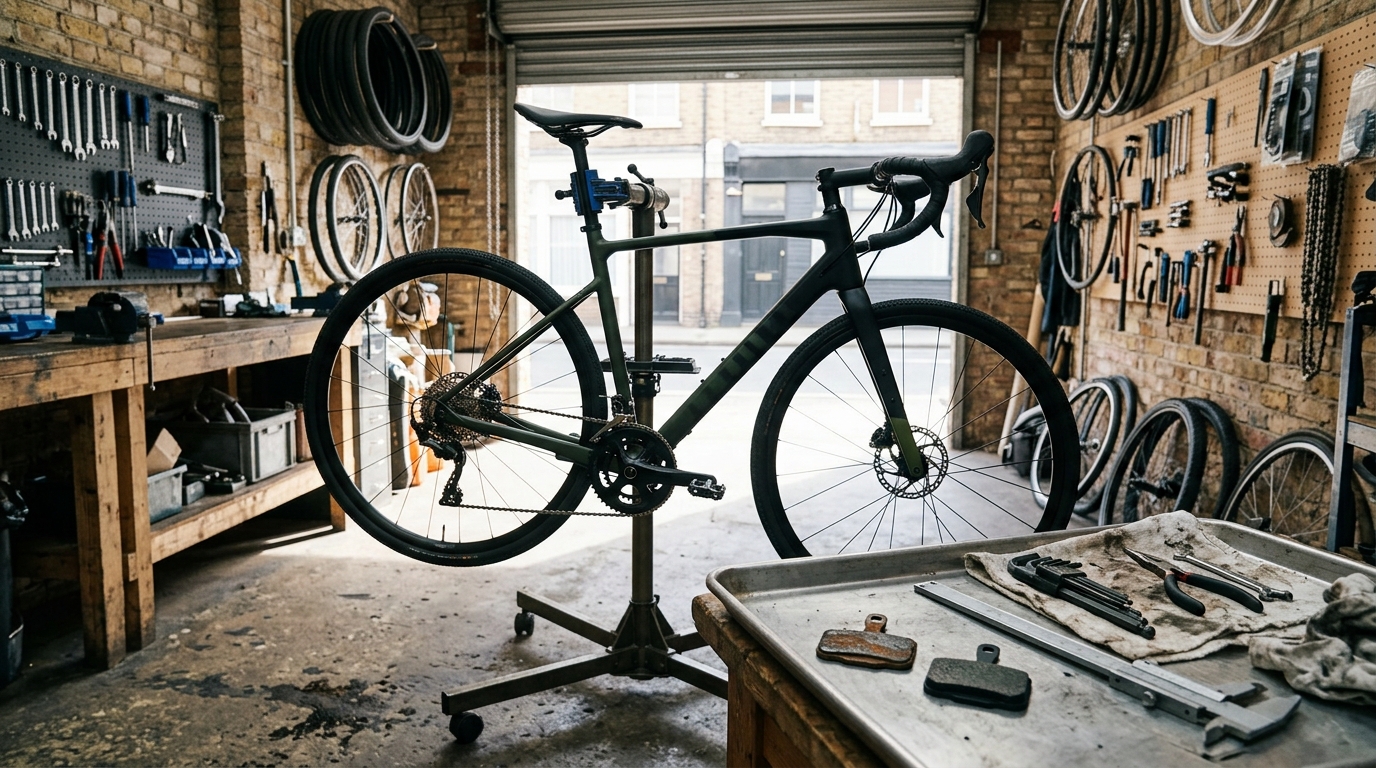
- Letting Under-Inflated Tyres Cause Damage
Tyre pressure is easy to overlook, particularly if your bicycle appears to be riding normally.
However, riding with tyres that are consistently under-inflated can increase rolling resistance and make the tyre more vulnerable to damage. It can also increase the likelihood of pinch punctures on bikes using inner tubes.
Before longer rides, check your tyre pressure with a suitable pump and gauge. The recommended pressure is normally printed on the tyre sidewall, although the correct pressure also depends on factors such as tyre width, rider weight and riding conditions.
While checking the pressure, inspect the tyres for cuts, cracks, embedded glass and other sharp objects.
A worn tyre may look acceptable at first glance but provide much less protection against punctures. Replacing a tyre before it becomes dangerously worn is a much better option than waiting for a failure during a commute.
A few minutes with a pump and a quick visual inspection can therefore prevent an inconvenient and potentially expensive problem.
- Ignoring Rust and Water Damage
London cycling often means dealing with rain, wet roads and road grime.
Water itself is not necessarily a disaster for a bicycle, but allowing moisture and dirt to remain on components for long periods can cause problems. Chains, cables, bolts and other metal components can develop corrosion if they are repeatedly exposed to wet conditions and not looked after.
After a particularly wet ride, give your bike a basic clean and dry it properly. Pay particular attention to the drivetrain and other exposed metal parts.
Avoid storing a wet bicycle somewhere damp for long periods. If possible, keep it indoors or in a dry, covered area.
You do not need to completely dismantle your bicycle after every rainy journey. A simple wipe-down, followed by appropriate lubrication of the chain, can help prevent unnecessary wear and corrosion.
Ignoring a small amount of surface rust may not seem important, but corrosion can eventually make components difficult to remove or replace.
- Riding with Loose or Damaged Components
A loose bolt might seem like a minor inconvenience, but continuing to ride without addressing it can create bigger problems.
Your bicycle contains many fasteners that hold important components securely in place. These include the stem, handlebars, saddle, seat post, wheels, brakes and other parts.
During your regular checks, look for anything that feels loose, moves unexpectedly or produces unusual rattling noises.
However, there is an important point here: do not simply tighten everything as hard as possible. Bicycle components often have specific torque requirements, particularly lightweight aluminium and carbon parts.
If you have a torque wrench, use the manufacturer’s recommended settings. If you are unsure, ask a qualified bike mechanic.
A loose component is worth investigating early. Catching it before it causes damage is much easier than repairing a damaged frame, wheel or component later.
- Ignoring Wheel Problems Until They Become Serious
Your wheels take a considerable amount of stress every time you ride.
Potholes, kerbs and rough roads can gradually affect wheel alignment. A wheel that develops a small amount of movement or a slight wobble may not seem serious at first, but ignoring it can make the problem worse.
Spin your wheels occasionally and look carefully at how they move through the frame or fork. Check for obvious damage and make sure there is no unusual side-to-side movement.
You should also pay attention to broken or loose spokes.
If a wheel is noticeably out of true, it is usually better to have it checked rather than repeatedly riding over the problem. Professional wheel truing can often correct an issue before more extensive work becomes necessary.
The same applies to wheel bearings. Grinding, excessive play or unusual noises should not be ignored.
A quick inspection can help identify problems while they are still manageable.
- Delaying a Service Until Several Things Go Wrong
One of the most expensive mistakes is waiting until your bicycle has several problems before having it checked.
A bike may continue to move even when its brakes are worn, gears are poorly adjusted, the chain is dirty and the tyres are approaching the end of their life. That does not mean everything is working properly.
Regular servicing gives a mechanic an opportunity to identify worn components before they fail.
A professional service can include checks of areas such as the frame, forks, bearings, brakes, gears, wheels, tyres, fasteners and drivetrain. Depending on the level of service required, worn components can be identified and replaced before they cause additional damage.
How often you need a service depends on how frequently you ride, the type of bike you own and the conditions in which you use it. Someone commuting through London every day will generally put considerably more wear on a bicycle than someone who rides occasionally at weekends.
You do not necessarily need to wait for a major problem. If something feels different, sounds unusual or does not work as smoothly as it used to, it is worth getting it checked.
A Simple Maintenance Routine Can Save Money
You do not need a workshop full of specialist tools to look after your bicycle.
A basic routine can include checking your tyre pressure, testing the brakes, inspecting the tyres, cleaning the chain, applying suitable chain lubricant and looking for loose or damaged components.
It is also useful to pay attention while riding. Your bicycle often gives you warning signs before a serious problem develops.
A new clicking noise, rough gear changes, brake squealing, unusual vibration or a wheel that feels different can all be reasons to investigate.
Keeping a small maintenance kit at home is also worthwhile. A floor pump, tyre levers, spare inner tube, multi-tool, chain lubricant and cleaning supplies can cover many basic jobs.
The most important thing is consistency. Five or ten minutes of attention every so often can prevent a problem that would otherwise require a much more expensive repair.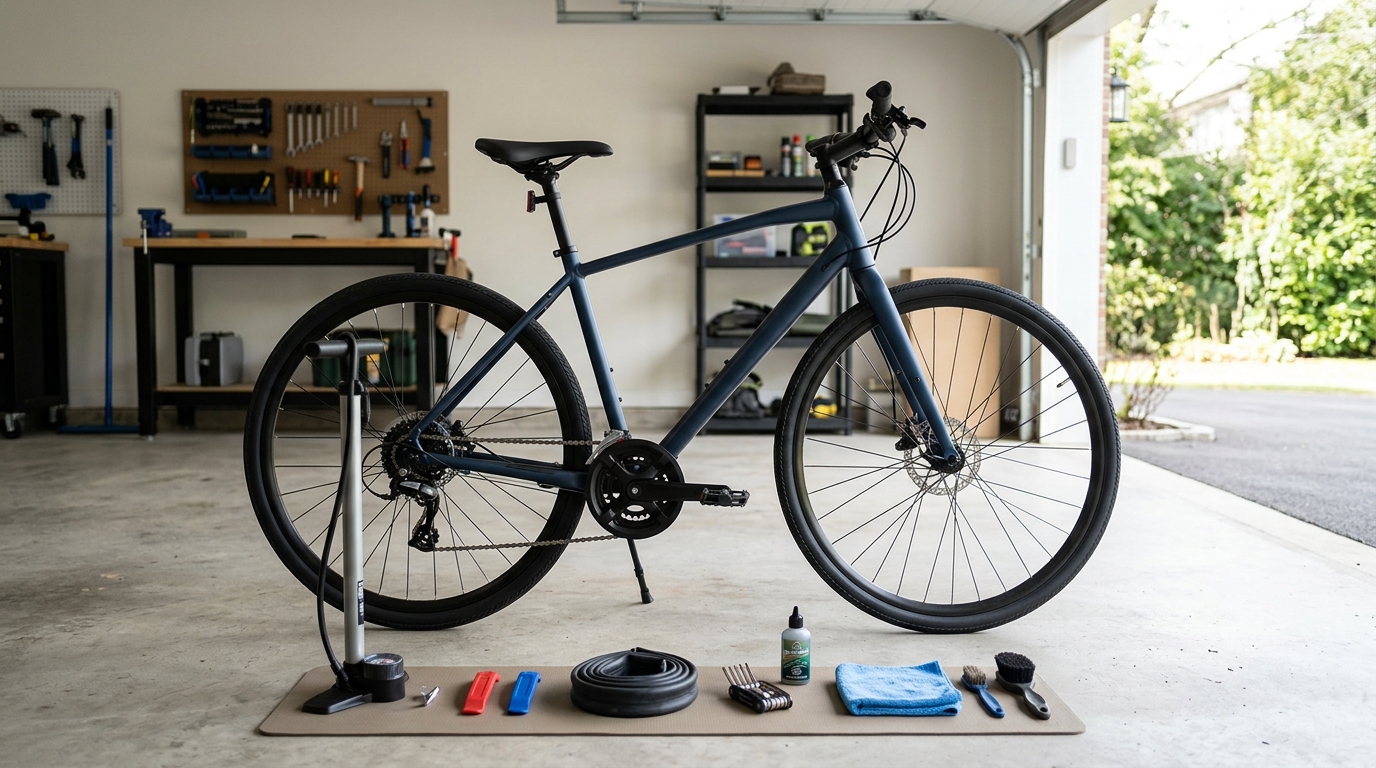
Know When to Call a Professional
Basic maintenance is something most cyclists can learn, but not every repair should be attempted at home.
Hydraulic brake work, wheel building, bearing replacement, drivetrain repairs and problems involving the frame or fork may require specialist tools and experience.
If you are unsure about a repair, it is usually better to have the bicycle inspected rather than risk damaging an expensive component.
A professional mechanic can also spot problems that may not be obvious to a new cyclist.
Final Thoughts
Looking after your bicycle is not only about keeping it looking clean. Regular maintenance helps protect the components that make your bike safe, reliable and enjoyable to ride. Checking your chain, brakes, tyres, wheels and fasteners regularly can help you catch small problems before they turn into expensive repairs.
For cyclists who need professional bike repairs, servicing, parts, tyres or maintenance advice in London, Chelsea Bikes provides a range of workshop services, from routine servicing and brake and gear adjustments to more detailed repairs and full bicycle servicing. (Chelsea Bikes)