Cycling through London can be a convenient way to get to work, visit friends or run every day errands. However, busy roads, frequent stops, wet weather and uneven surfaces can make a regular journey more challenging than expected. The right bike upgrades can make a noticeable difference to comfort, reliability and convenience without the need to buy a new bicycle.
Whether you ride a hybrid, road bike or an older bicycle that you have owned for years, a few carefully chosen changes can help you get more out of every journey. Here are seven practical bike upgrades worth considering for everyday London commuting.
1. Upgrade to Puncture-Resistant Tyres
Few things are more frustrating than getting a puncture when you are already running late for work. Broken glass, sharp debris and rough road surfaces can damage bicycle tyres, particularly when you ride regularly.
Puncture-resistant tyres are designed with additional protective layers to reduce the risk of sharp objects reaching the inner tube. They can be a worthwhile investment for commuters who want to spend less time dealing with unexpected roadside repairs.
When choosing new tyres, consider the type of riding you do. A commuter who mainly travels on paved roads may prefer a tyre designed for smooth rolling, durability and everyday use. Wider tyres can also provide additional comfort on rough surfaces, provided they fit the bicycle correctly.
Before buying, check the tyre size printed on your existing tyres and make sure the replacement is compatible with your wheels and frame. Keep your tyres inflated within the manufacturer’s recommended pressure range, as incorrect pressure can affect handling and increase the risk of damage.
2. Fit Reliable Front and Rear Bike Lights
Good lighting is essential for anyone cycling through London, particularly during winter mornings, evening commutes and periods of poor visibility.
A front light helps you see the road ahead and makes you more visible to other road users. A rear light helps drivers and cyclists approaching from behind notice your presence. Choosing lights that are easy to remove for charging can make daily use much simpler.
Look for lights with a suitable beam, dependable battery life and weather-resistant construction. If your journey includes unlit streets or poorly lit paths, you may need a stronger front light than someone riding entirely on well-lit roads.
Remember to check the battery before leaving home. Carrying a small backup light can also be useful if your main light runs out of charge during the journey.
In the UK, bicycles must have the legally required lighting and reflectors when used after dark. Make sure your setup complies with current requirements and that your lights are positioned securely.
3. Add Mudguards for Wet Weather
London weather can change quickly, and even a short shower can leave roads covered in water and grime. Without mudguards, your tyres can spray dirty water onto your clothes, shoes and the bicycle itself.
Full-length mudguards are particularly useful for people who cycle to work in everyday clothing. They provide better coverage than small clip-on alternatives and help keep road spray away from your back and legs.
Mudguards can also reduce the amount of dirt reaching the chain and other drivetrain components, making routine cleaning easier. This is especially helpful during wetter months, when road grime can build up quickly.
Before purchasing a set, check that the mudguards are compatible with your frame, wheel size, tyre width and brake system. Some bicycles have dedicated mounting points, while others require alternative fitting solutions.
Once installed, check that the guards have sufficient clearance around both tyres and do not rub against the wheels. A correctly fitted set should remain secure when riding over uneven surfaces.
4. Install a Rear Rack and Pannier Bags
Carrying a laptop, lunch, spare clothes and other work essentials can make a daily cycle ride uncomfortable, especially when everything is packed into a heavy rucksack.
A rear rack and pannier bag provide a practical alternative. They allow you to carry your belongings on the bicycle rather than directly on your back, which can make longer journeys more comfortable.
Water-resistant or waterproof panniers are useful when travelling through unpredictable weather. Many designs also include separate compartments for work equipment, clothing and smaller everyday items.
A rack can be particularly helpful if you regularly shop on the way home or need to carry equipment for work. However, check the rack’s weight limit and ensure it is suitable for your bicycle before installation.
Keep heavier items secure and avoid loading one side excessively. Extra weight can affect balance and braking, so take a short test ride in a quiet area before using the fully loaded bicycle in busy traffic.
If your bicycle cannot accommodate a rear rack, a handlebar bag or a suitable frame bag may provide a convenient alternative.
5. Choose a Strong, Comfortable Saddle
An uncomfortable saddle can turn a short commute into an unpleasant experience. If you regularly experience discomfort, it may be worth reviewing your saddle before spending money on other upgrades.
The best saddle depends on your riding position, body shape and the type of bicycle you use. A more upright riding position may suit a different saddle shape from the forward-leaning position commonly used on road bikes.
A wider saddle is not automatically more comfortable, and a heavily padded design is not always the best choice for longer rides. Proper support and a suitable fit matter more than appearance alone.
Saddle height also plays an important role. If it is too low, pedalling may feel cramped. If it is too high, you may rock from side to side or struggle to maintain a stable position.
Try adjusting your existing saddle before replacing it. Small changes to height and angle can make a difference, but make sure the saddle remains securely attached.
If discomfort continues, a professional bike fitting or advice from a knowledgeable mechanic can help identify the problem.
6. Upgrade Your Brakes and Brake Pads
London commuting often involves frequent stops at traffic lights, junctions and pedestrian crossings. Reliable brakes are therefore an important part of a well-equipped commuter bicycle.
If your brakes feel weak, make unusual noises or require the levers to be pulled much harder than usual, inspect the braking system. Worn brake pads, contaminated braking surfaces, poorly adjusted cables or other mechanical issues may be responsible.
Replacing worn pads with compatible, good-quality alternatives can restore braking performance when the pads are the cause. It is also worth checking the condition of the braking surface or disc rotor, depending on your bicycle’s setup.
Disc brakes and rim brakes require different maintenance procedures, so choose replacement parts designed for your specific system. Do not assume that every pad will fit every brake.
Brake cables, hydraulic systems and wheel alignment should also be checked as part of regular maintenance. If you are unsure how to inspect or adjust the brakes, ask a qualified bicycle mechanic to do the work.
After any brake adjustment, test the bicycle at low speed in a safe area before returning to busy roads. Brakes should feel consistent and respond predictably.
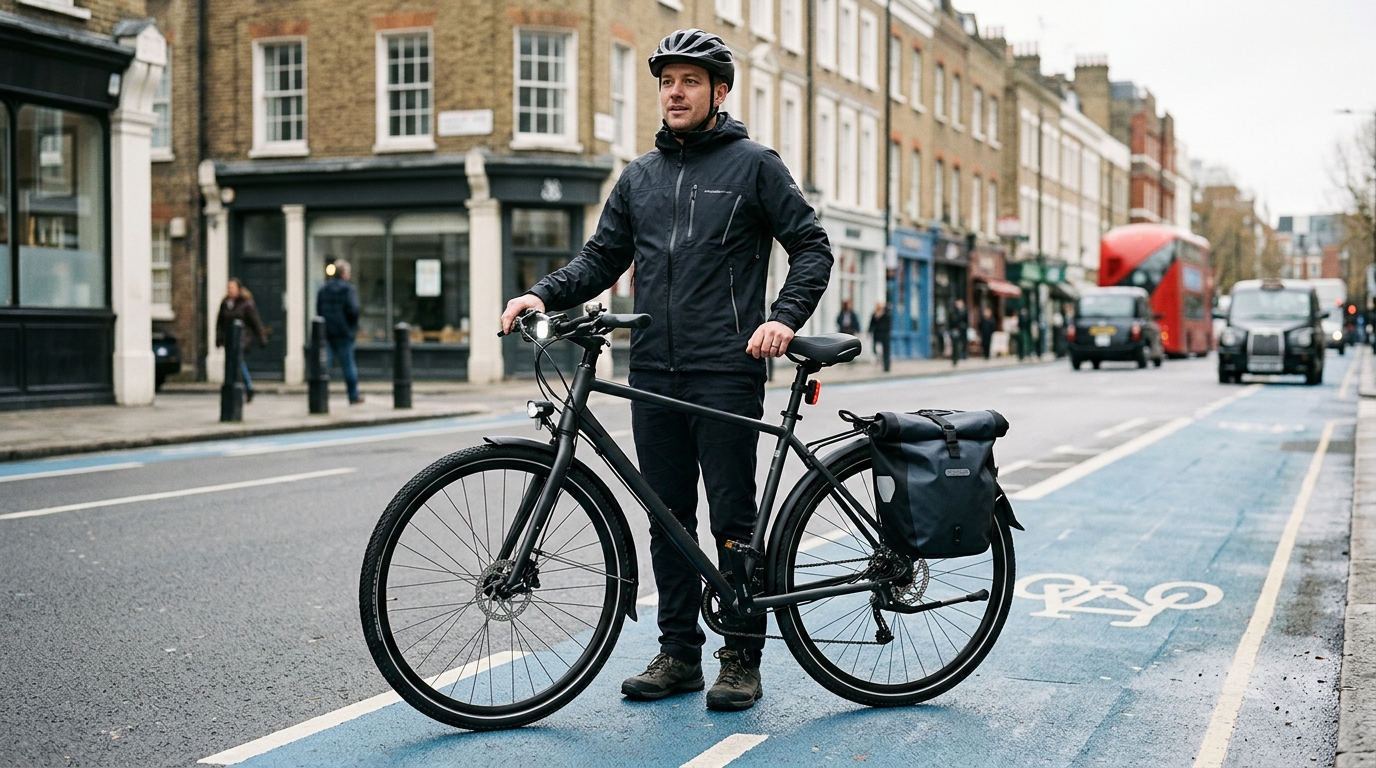
7. Improve Your Handlebar Grips and Add a Bell
Small contact points can have a surprisingly noticeable effect on daily comfort. Handlebar grips influence how securely and comfortably you hold the bicycle, particularly when travelling over rough surfaces.
If your existing grips are worn, slippery or uncomfortable, consider replacing them with a suitable ergonomic or lock-on design. The right choice should fit your handlebars and feel secure without requiring you to grip excessively tightly.
Comfortable grips may help reduce pressure on your hands during longer rides. However, persistent numbness or pain can also result from riding position, handlebar height or excessive pressure through your hands, so replacing the grips may not solve every problem.
A bicycle bell is another useful addition. It allows you to alert pedestrians and other path users to your presence, particularly when approaching from behind on shared routes.
Choose a bell that is easy to reach without removing your hands from their normal riding position. Make sure it produces a clear sound and is securely fitted.
Together, comfortable grips and a practical bell are relatively simple upgrades that can make every day cycling more pleasant and convenient.
Which Bike Upgrades Should You Choose First?
You do not need to purchase all seven upgrades at once. Start with the changes that address the biggest problems on your usual commute.
If you frequently suffer punctures, prioritise suitable puncture-resistant tyres. If rain leaves your clothes covered in road spray, mudguards may offer the greatest immediate benefit. Riders carrying heavy bags may find that a rack and panniers improve comfort, while anyone experiencing poor braking should have the braking system inspected promptly.
Lighting, a working bell and secure braking deserve particular attention because they affect how well equipped you are for everyday road conditions.
It is also sensible to check the bicycle’s overall condition before investing in accessories. Worn tyres, a loose headset, a damaged chain or poorly adjusted brakes should not be overlooked simply because you are planning cosmetic upgrades.
A simple maintenance routine can help you get better value from your purchases. Check tyre pressure regularly, clean and lubricate the chain when needed, inspect the brakes and make sure accessories remain firmly attached.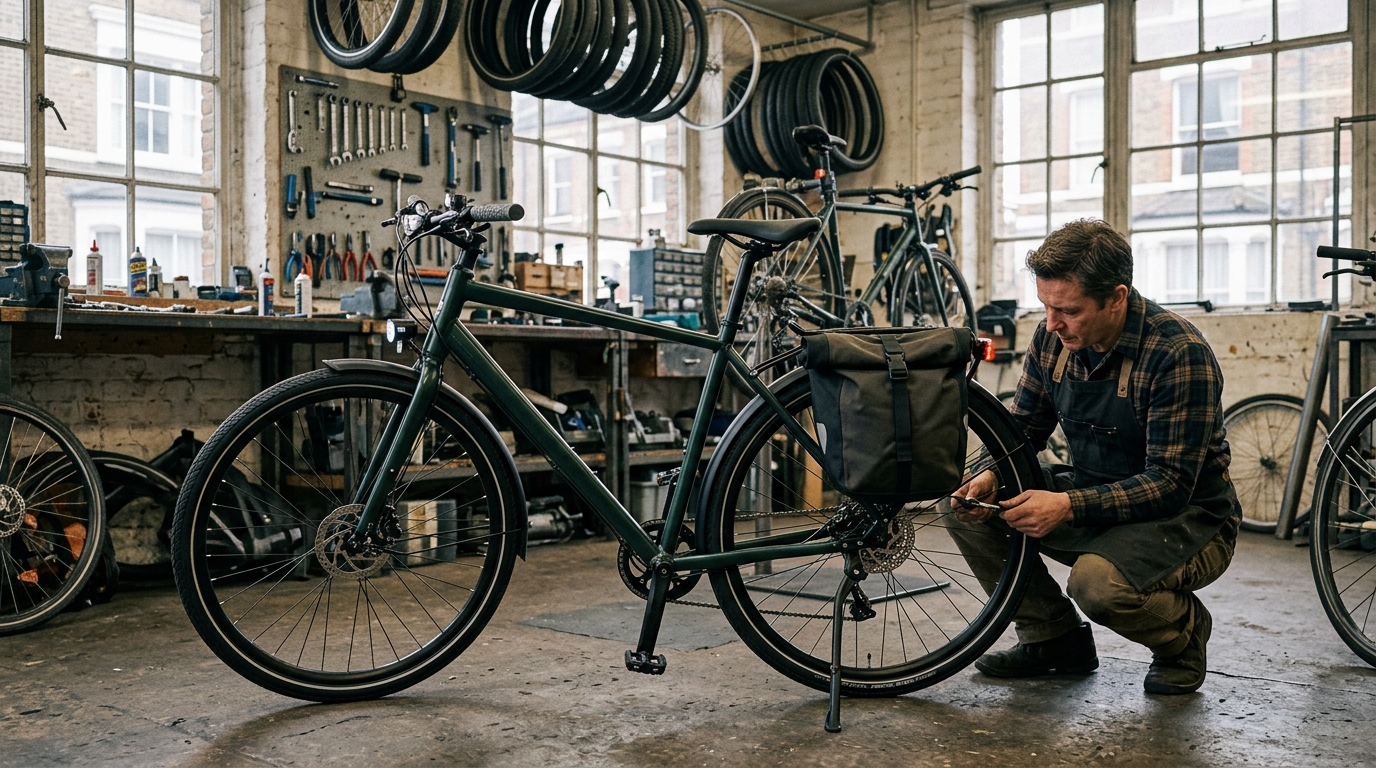
Final Thoughts
The best commuter bicycle is not necessarily the newest or most expensive one. A few well-chosen upgrades can make an existing bike more comfortable, practical and dependable for everyday journeys across London. By focusing on your own needs, you can spend your money where it will make the greatest difference. If you are planning to improve your current bicycle or need advice on choosing suitable commuting accessories, Chelsea Bikes can help you explore practical options for your riding needs and find upgrades that make your daily journeys more enjoyable.