Why Does Your Bicycle Feel Different After Being Left Outside Overnight?
Have you ever taken your bicycle out in the morning and noticed that something feels different? Perhaps the tyres seem softer, the brakes make an unusual noise, or the gears do not shift as smoothly as they did the previous evening. You might even find that pedalling takes more effort than usual.
These changes can be surprising, especially if your bicycle was working perfectly when you parked it. However, leaving a bicycle outside overnight can expose it to moisture, temperature changes, dirt and other conditions that affect how it performs.
The good news is that many of these problems are easy to identify and prevent. Understanding what happens to your bicycle overnight can help you ride more comfortably, avoid unnecessary repairs and keep your bike in good condition throughout the year.
1. Changes in Temperature Can Affect Tyre Pressure
One of the first things you might notice in the morning is that your bicycle tyres feel softer than they did the night before. This can happen when the temperature drops overnight.
Air contracts as it cools, which reduces tyre pressure. The difference may be small, but it can be noticeable if the weather changes significantly between the afternoon and the following morning.
Tyres naturally lose a little air over time as well, so temperature is not always the only reason for lower pressure.
Riding with underinflated tyres can make your bicycle feel sluggish. You may need to work harder to maintain your speed, and the tyres can become more vulnerable to pinch punctures if you hit a pothole or kerb.
What should you do?
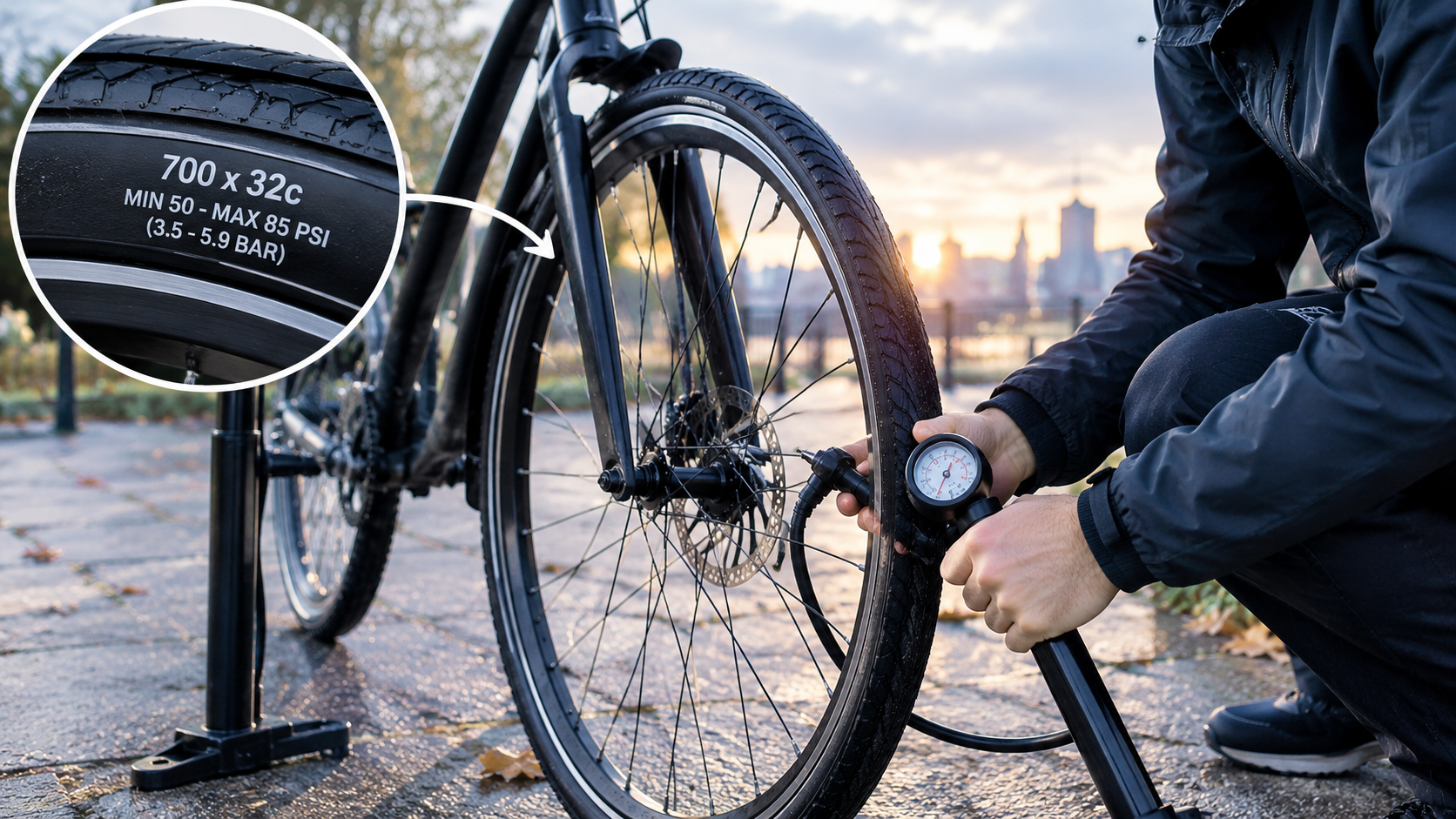
Check your tyre pressure before setting off, particularly during colder months. Look at the recommended pressure range printed on the tyre sidewall and use a suitable pump with a pressure gauge where possible. The correct pressure depends on the tyre, bicycle, rider’s weight and riding conditions.
Avoid inflating every tyre to its maximum rating. A suitable pressure provides a better balance between comfort, grip and rolling resistance.
2. Overnight Rain Can Affect Your Brakes
Rain is one of the most common reasons a bicycle feels different after spending the night outdoors.
When water collects on the rims or brake rotors, braking may feel less responsive at first. Rim brakes can take a moment to clear moisture from the braking surface, while disc brakes may produce a temporary squeal or rubbing noise.
This does not automatically mean your brakes are damaged. However, persistent noise, weak braking or a change in lever feel deserves attention.
Moisture can also carry dirt onto braking surfaces, making the problem worse.
How to check your brakes
Before riding, look at the brake pads, rims or disc rotors for visible dirt or contamination. If the bicycle has rim brakes, check that the pads contact the braking surface correctly. For disc brakes, avoid touching the rotor with oily fingers.
Test the brakes at walking speed in a safe area before entering traffic. If braking remains weak, the lever feels unusually loose, or the brakes make severe grinding noises, have them inspected before continuing your journey.
Never apply oil or general-purpose lubricant to brake pads, rims or disc rotors.
3. Moisture Can Make the Chain and Gears Feel Rough
Your bicycle’s chain and drivetrain contain moving parts that need suitable lubrication to work smoothly. When a bicycle stays outside overnight, rain, condensation and damp air can affect these components.
A wet chain may develop surface rust if it remains damp for extended periods, particularly when its protective lubrication has worn away. Dirt can also stick to the chain and mix with the lubricant, creating a gritty layer that increases friction.
You might notice clicking sounds, rough pedalling or less precise gear changes the next morning.
Although one damp night will not necessarily cause serious damage, repeated exposure to wet weather without proper care can shorten the life of the chain and other drivetrain components.
Simple maintenance can make a difference.
If your bicycle gets wet, wipe the chain and other exposed metal parts with a clean cloth. Allow them to dry, then apply a suitable bicycle chain lubricant if needed. Remove excess lubricant because a heavily coated chain can attract more dirt.
Use a lubricant appropriate for your usual riding conditions. Wet-weather lubricants generally stay on the chain better in rainy conditions, while dry-weather products are often designed to attract less dirt in dry environments.
If the gears continue skipping or the chain shows significant rust, arrange a closer inspection.
4. Cold Mornings Can Make Your Bicycle Feel Less Comfortable
Temperature changes can affect more than your tyres. A cold bicycle can feel less pleasant to ride, especially during early-morning journeys.
Metal components quickly adjust to the surrounding temperature, so handlebars, brake levers and the saddle may feel cold when you first get on. Cold weather can also make your hands feel stiff, reducing comfort and making it harder to operate the brakes and gears confidently.
The bicycle itself is not necessarily developing a mechanical fault. Sometimes the difference comes from your body’s response to the weather.
However, cold conditions can make existing problems more noticeable. A stiff control cable, worn bearing or poorly adjusted component may feel less smooth than usual.
Make your morning ride more comfortable
Wear gloves that provide warmth without restricting your grip. Check that you can comfortably reach the brake levers while wearing them, and make sure your clothing does not interfere with steering or braking.
If a control feels unusually stiff or fails to return to its normal position, do not assume cold weather is the only cause. Have the component checked if the problem persists.
5. Dirt and Road Debris Can Build Up Overnight
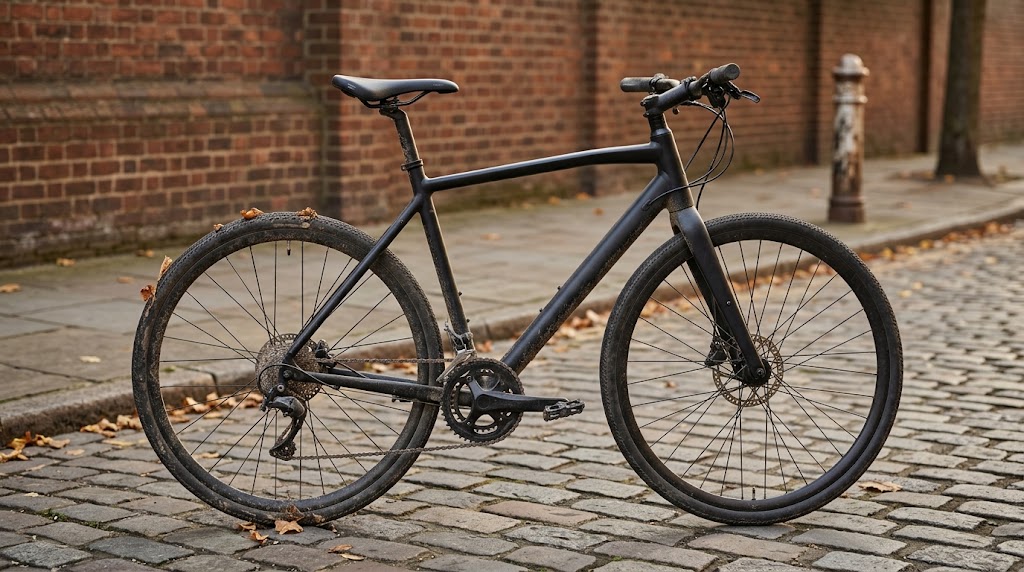
Even when it does not rain, leaving your bicycle outside can expose it to dust, fallen leaves, pollen and other debris.
These materials may collect around the chain, cassette, brake surfaces, wheels and moving parts. If the bicycle is parked near a road or under a tree, it may accumulate more dirt than you expect.
You may notice a gritty sound when pedalling, rubbing near a wheel or extra resistance when turning the pedals.
Small amounts of dirt are usually easy to remove, but allowing grime to build up over time can increase wear.
A quick morning inspection helps.
Look around the tyres for embedded stones, glass or other sharp objects. Check that the wheels spin freely and that nothing is caught near the brakes or drivetrain.
If the bicycle is dusty, wipe it down with a soft cloth. For heavier dirt, use appropriate bicycle-cleaning products and avoid directing high-pressure water at bearings, hubs or other sealed components.
Regular cleaning is usually easier than trying to remove a thick layer of accumulated grime later.
6. Condensation Can Affect Metal Components
Rain is not the only source of moisture. Condensation can develop when temperatures change, particularly when a bicycle is exposed to cool, damp air overnight.
Moisture may settle on exposed metal surfaces, including bolts, cables, the chain and other components. If the bicycle repeatedly remains damp, corrosion can gradually develop.
The risk depends on the local weather, how long the bicycle stays wet, the condition of its protective finishes and the materials used in its construction.
A bicycle with an aluminium frame can still have steel components that are vulnerable to rust. Therefore, an apparently rust-resistant frame does not mean every part of the bicycle is equally protected.
How can you reduce the risk?
Whenever possible, park your bicycle in a covered, well-ventilated location. If it becomes wet, dry the exposed components rather than covering the bicycle while it is still dripping.
Pay particular attention to the chain, fasteners and areas where water can collect. If you spot corrosion, investigate it early instead of waiting for the affected component to become difficult to operate.
7. Your Bicycle May Feel Unstable Because of a Slow Puncture
Sometimes, what feels like a general change in the bicycle’s handling is actually a tyre problem.
A small puncture can allow air to escape gradually while the bicycle is parked. You may leave home with apparently normal tyres in the evening and discover a soft rear tyre the following morning.
A slow puncture can make the bicycle feel heavy, less stable or difficult to steer. The problem may be caused by a tiny piece of glass, a thorn, a damaged inner tube or a faulty valve.
Temperature-related pressure changes can also make an already underinflated tyre feel worse.
Do not ignore a soft tyre.
Check both tyres before riding and inflate them to an appropriate pressure. If a tyre loses air again shortly afterwards, inspect it for a puncture rather than repeatedly pumping it up.
Avoid riding on a significantly underinflated tyre. Doing so can damage the tyre, inner tube and rim, potentially turning a small repair into a more expensive job.
8. Why Your Bicycle Might Make Strange Noises in the Morning
A bicycle that was quiet yesterday may produce clicking, squeaking or rubbing noises after spending the night outdoors.
Moisture, dirt and small changes in component movement can sometimes explain these sounds. For example, wet braking surfaces may squeal temporarily, while a dirty chain can make noise as it moves through the gears.
However, new noises should not always be dismissed as the result of overnight exposure.
A loose component, worn bearing, poorly adjusted brake or damaged drivetrain part may also be responsible. If the noise continues after the bicycle has dried and been cleaned, further inspection is sensible.
Try to identify when the sound occurs. Does it happen only when braking, when pedalling, or whenever a wheel turns? This information can help narrow down the possible cause.
If you hear grinding, feel movement in the wheels or handlebars, or notice that steering and braking have changed, stop riding until the problem has been checked.
9. How to Protect Your Bicycle When Parking It Outside Overnight
You do not always need a garage or a large storage area to protect your bicycle. A few practical habits can reduce the effects of damp weather, dirt and temperature changes.
Here are some useful precautions:
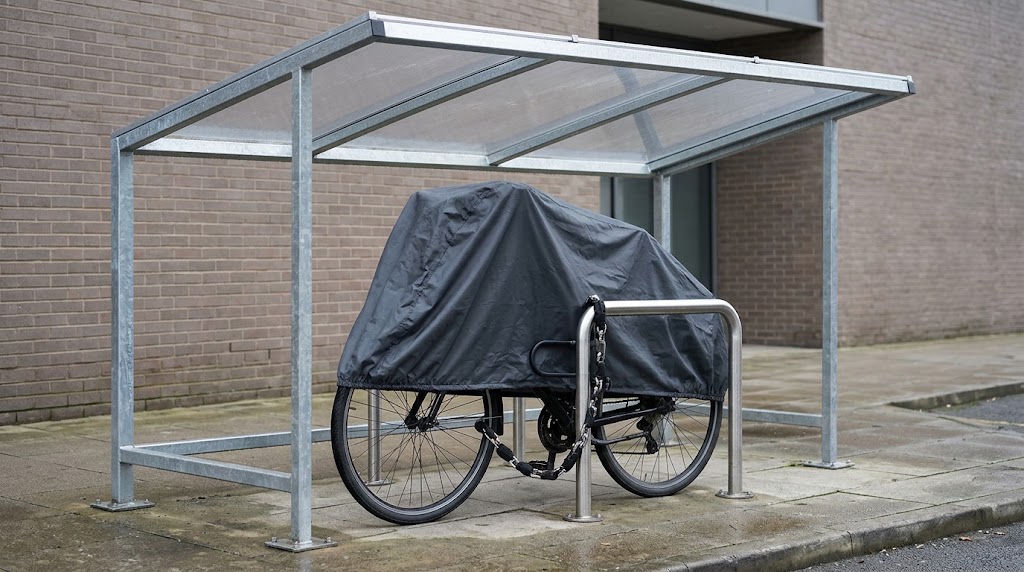
Choose a sheltered location: A covered bike shelter or dry, secure area can reduce direct exposure to rain.
Use a suitable bicycle cover: A breathable, weather-resistant cover can help protect the bike from rain and dirt. Secure it properly and allow ventilation to reduce trapped moisture.
Keep the drivetrain clean: Remove accumulated grime and lubricate the chain when necessary.
Check tyre pressure regularly: Pay attention to pressure changes during colder weather and look for signs of a slow puncture.
Inspect the brakes: Make sure they work properly before riding, especially after wet weather.
Dry the bicycle after rain: Wipe down the chain and exposed metal components to limit prolonged moisture exposure.
Secure the bicycle properly: Use an appropriate lock and a fixed object to reduce the risk of theft.
These habits take only a few minutes but can make a noticeable difference to your bicycle’s condition over time.0
10. A Quick Morning Check Before You Ride
If your bicycle has been left outside overnight, a short inspection can help you spot problems before they become more serious.
Before setting off, check the following:
Tyres: Look for low pressure, visible damage and embedded debris.
Brakes: Squeeze both brake levers and make sure the brakes engage correctly.
Chain: Look for excessive dirt, rust or signs of poor lubrication.
Wheels: Check that they rotate freely and do not appear loose or damaged.
Gears: Shift through the gears while stationary or during a cautious test ride in a safe area.
Steering: Make sure the handlebars turn smoothly and feel secure.
Lights: Confirm that your front and rear lights work if you will be riding in low-light conditions.
If anything feels seriously wrong, do not ride until you have identified the cause. A quick check is useful, but it cannot replace a proper repair when a component is damaged or worn.
Final Thoughts
A bicycle can feel different after being left outside overnight for several reasons, from cooler temperatures and lower tyre pressure to damp brakes, a dirty chain or a slow puncture. Often, the solution is straightforward: check the tyres, inspect the brakes, clean exposed components and make sure everything works as it should before setting off.
If you regularly leave your bicycle outdoors, a little preventive maintenance can help reduce wear and keep your daily journeys more comfortable. Persistent mechanical problems should be inspected rather than ignored, particularly when they affect braking, steering or wheel stability.
Whether you use your bicycle for commuting, shopping or weekend rides, choosing a well-maintained bike and looking after it properly can make everyday cycling more enjoyable. Chelsea Bikes can be your starting point when you are looking for a bicycle to suit your needs, whether you are choosing your first bike or searching for a practical option for everyday travel. Explore the available bicycles and make time for regular checks to help keep your rides smooth, safe and reliable.