A bicycle is built to handle regular use, but how long it lasts depends on more than its brand, materials or original price. Everyday riding habits play an important role in determining how well a bicycle performs over time. Small actions, such as braking suddenly, changing gears incorrectly, riding over potholes or leaving the bicycle outside in wet weather, can gradually affect its condition.
Many cyclists focus on maintenance when something goes wrong, but preventing unnecessary wear is equally important. Developing better riding habits can help protect important components, improve performance and reduce the need for frequent repairs. Whether you use your bicycle for commuting, exercise or weekend rides, understanding how everyday habits affect its lifespan can help you get more years of reliable use from it.
- Braking Too Suddenly Can Wear Out Components
Brakes are among the most important safety components on any bicycle. However, repeatedly braking sharply at the last moment can cause unnecessary wear on brake pads, rims and disc brake components.
Sudden braking also puts additional stress on your bicycle’s wheels and can make it harder to maintain control, particularly on wet or slippery roads. This can become a bigger problem when cycling in busy urban areas where traffic conditions change quickly.
A better approach is to look ahead and anticipate when you need to slow down. Apply the brakes gradually rather than waiting until the last moment. Using both brakes appropriately also helps distribute braking force more effectively.
Developing smoother braking habits can help extend the life of your braking components while making every day journeys more comfortable and controlled.
- Incorrect Gear Changes Can Damage Your Drivetrain
Changing gears is something most cyclists do throughout their journeys, but doing it incorrectly can gradually affect the drivetrain.
For example, changing gears while applying heavy pressure to the pedals puts additional strain on the chain, cassette and chain rings. Over time, this can contribute to premature wear and less reliable gear shifting.
It is also important to avoid using extreme gear combinations unnecessarily. On many geared bicycles, these combinations can make the chain run at a sharp angle, increasing friction and wear.
To protect your drivetrain, ease off the pressure on the pedals slightly when changing gears. Try to select a suitable gear before reaching a steep hill rather than waiting until you are struggling to pedal.
Smooth gear changes help your bicycle operate more efficiently and reduce unnecessary stress on important components.
- Riding over Potholes and Uneven Roads
Road conditions can have a significant effect on bicycle lifespan, especially for people who cycle regularly in towns and cities.
Potholes, raised kerbs, broken road surfaces and uneven paths can put repeated pressure on your bicycle’s wheels, tyres, forks and frame. Hitting these obstacles at speed may cause punctures, damaged rims, loose spokes or problems with wheel alignment.
Although avoiding every road imperfection is not always possible, paying attention to the surface ahead can reduce the risk of damage.
Whenever it is safe, slow down before approaching potholes and avoid riding directly into deep holes or sharp edges. If you cannot avoid an obstacle, reduce your speed and maintain a controlled riding position.
Regularly checking your wheels and tyres after riding on rough surfaces can also help identify potential problems before they become more serious.
- Ignoring Tyre Pressure Can Shorten Component Life
Tyre pressure is often overlooked, yet it has a direct effect on how a bicycle performs and how quickly certain components wear out.
Riding with underinflated tyres increases rolling resistance, making pedalling harder. It can also increase the likelihood of pinch punctures when the tyre compresses against the rim after hitting an obstacle.
On the other hand, excessively inflated tyres may provide a less comfortable ride and reduce grip on certain surfaces.
Every bicycle tyre has a recommended pressure range, usually printed on its sidewall. Check this information and choose a suitable pressure based on your bicycle, rider weight, tyre type and riding conditions.
Making tyre pressure checks part of your weekly routine can help protect your tyres, improve handling and make everyday cycling more efficient.
- Leaving Your Bicycle Dirty After Every Ride
Dirt, mud, water and road debris can gradually affect different bicycle components if they are allowed to build up.
The chain and drivetrain are particularly vulnerable because dirt mixes with lubricant and creates an abrasive substance that increases wear. Mud and moisture can also encourage corrosion on metal components, particularly when a bicycle is regularly used in wet conditions.
After riding through rain or muddy areas, take a few minutes to wipe down your bicycle. Pay particular attention to the chain, cassette, chain rings and other exposed components.
You do not need to perform a complete clean after every journey. However, removing excessive dirt and keeping the drivetrain properly lubricated can make a noticeable difference over time.
A clean bicycle is not just about appearance. It is also an important part of protecting its performance and extending the life of its components.
- Carrying Too Much Weight on Your Bicycle
Bicycles are designed to carry a certain amount of weight, but regularly exceeding their recommended limits can put additional stress on the frame, wheels, tyres and other components.
This is particularly relevant for commuters who carry heavy backpacks, shopping bags or work equipment. Carrying excessive weight on the handlebars can also affect steering and balance.
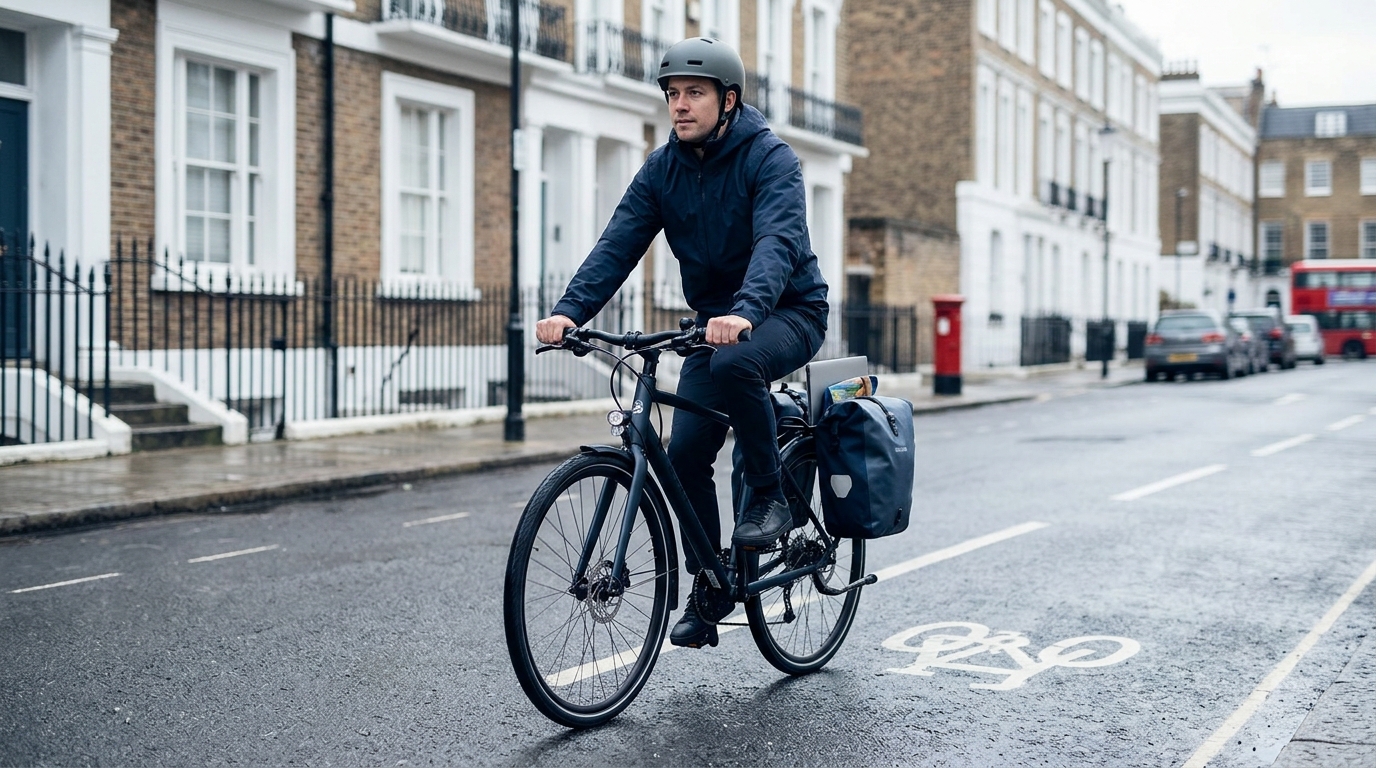
If you regularly transport heavy items, consider using a suitable rear rack or pannier bags rather than hanging everything from the handlebars.
Always check the manufacturer’s weight recommendations for your bicycle and any luggage-carrying accessories. Distributing weight evenly can improve stability and reduce unnecessary strain on individual components.
A practical luggage setup makes every day cycling more comfortable while helping protect your bicycle from avoidable damage.
- Parking and Storing Your Bicycle Incorrectly
Your riding habits are not the only things that affect bicycle lifespan. What you do immediately after a journey also matters.
Leaving a bicycle outdoors for long periods exposes it to rain, moisture, sunlight and changing temperatures. These conditions can contribute to rust, fading paintwork and deterioration of certain rubber and plastic components.
Incorrect storage can cause damage too. Leaning a bicycle against sharp surfaces, placing heavy objects on it or leaving it somewhere it can easily fall over may result in scratches, bent components or damaged wheels.
Whenever possible, store your bicycle in a dry, secure location. If outdoor storage is unavoidable, use a suitable bicycle cover and ensure the bicycle is properly locked.
Taking a little care when parking and storing your bicycle can help preserve its appearance, condition and overall reliability.
- Riding without Paying Attention to Unusual Noises
A bicycle often gives warning signs when something is not working correctly. Clicking gears, squeaking brakes, grinding noises or unusual chain sounds can indicate that a component needs attention.
Ignoring these signs and continuing to ride without checking the problem may allow minor issues to become more serious.
For example, a loose component can gradually become more damaged through repeated movement. Similarly, a worn chain can affect the cassette and chainrings if it is not replaced when necessary.
Get into the habit of listening to your bicycle while riding. If you notice a new or unusual noise, investigate it rather than assuming it will disappear.
Some issues can be resolved with simple adjustments, while others require professional attention. Identifying problems early can help prevent unnecessary repair costs and keep your bicycle safe to ride.
- Skipping Regular Bicycle Inspections
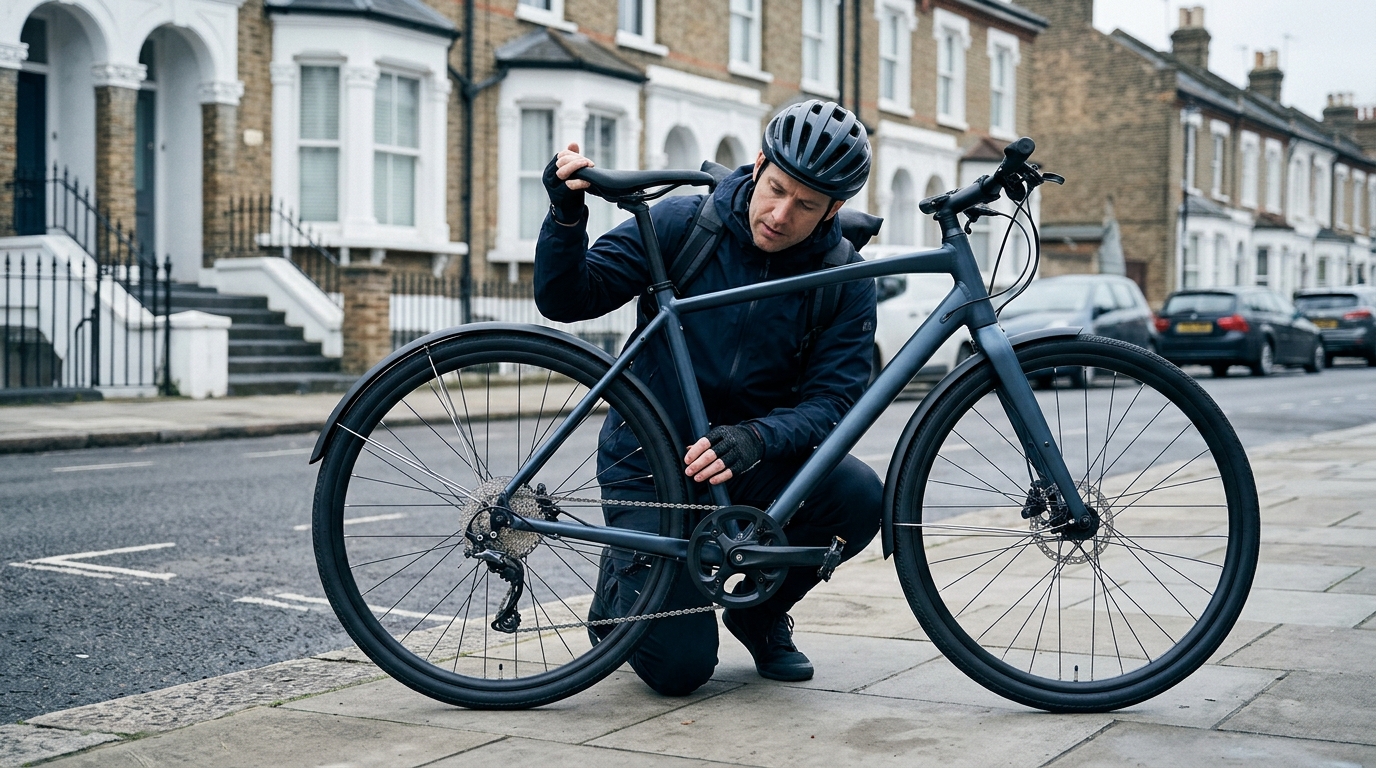
Even if your bicycle appears to be working perfectly, regular inspections are important for identifying problems that may not be immediately noticeable.
Daily use gradually affects components such as brake pads, tyres, chains, cables, bearings and wheel spokes. Without occasional checks, wear can go unnoticed until it starts affecting performance or safety.
Before longer journeys, check that your brakes are working properly, your tyres are correctly inflated and your wheels are secure. Look for visible damage, loose parts and signs of excessive wear.
A more thorough inspection should also include the drivetrain, steering, pedals and other important components.
If you are unsure whether something is working correctly, ask a qualified bicycle mechanic to inspect it. Regular servicing can help identify developing problems and keep your bicycle in good working condition.
Small Habits Can Make a Big Difference
A bicycle does not usually wear out because of one bad journey. In most cases, its condition changes gradually through repeated everyday use. Sudden braking, poor gear changes, incorrect tyre pressure, rough riding and neglected cleaning can all contribute to unnecessary wear.
The good news is that most of these problems can be reduced through simple changes in everyday behaviour. Riding smoothly, paying attention to road conditions, keeping the drivetrain clean and checking important components regularly can help extend your bicycle’s useful life.
You do not need expensive equipment or complicated maintenance routines to look after your bicycle. Consistency and a little attention can make a significant difference.
Keep Your Bicycle in Good Condition with Chelsea Bikes
Looking after your bicycle involves more than simply riding it carefully. Regular maintenance, suitable replacement parts and professional servicing all play an important role in keeping it reliable. At Chelsea Bikes, cyclists
can explore a range of bicycles, cycling accessories, spare parts and repair services to help keep their bikes in excellent working condition. Whether you need a routine service, replacement components or advice on choosing the right cycling equipment, Chelsea Bikes is here to support your cycling needs. With better riding habits and the right care, you can enjoy your bicycle for longer and make every journey more enjoyable.