Cities are becoming busier every year, and getting around during rush hour is not always easy. Heavy traffic, crowded public transport and rising fuel costs have made daily travel more challenging for many people. As a result, more commuters are looking for practical alternatives that make every day journeys easier. Electric bikes are becoming an increasingly popular choice, offering a convenient way to travel without relying entirely on cars, buses or trains.
Electric bikes, commonly known as e-bikes, combine traditional cycling with electric assistance. They allow riders to pedal with additional support from a motor, making it easier to cover longer distances, climb hills and travel through busy streets. With improvements in battery technology and a growing interest in sustainable transport, e-bikes could play an important role in the future of urban transportation.
- Making Daily Commuting Easier
One of the biggest reasons people choose electric bikes is the convenience they offer during every day journeys. Travelling through a busy city can take longer than expected, particularly during morning and evening rush hours. Cars often get stuck in traffic, while public transport can become overcrowded.
An electric bike gives commuters another option. Riders can use cycle lanes and suitable roads to reach their destinations without depending on traffic conditions in the same way as motorists.
Electric assistance also makes cycling less physically demanding. People who need to travel several miles to work can arrive without feeling as tired as they might after using a traditional bicycle. This can be particularly useful for employees who want to avoid arriving at work exhausted or uncomfortable.
For many city residents, an e-bike offers a balance between convenience, flexibility and an active lifestyle.
- A More Environmentally Friendly Way to Travel
Air pollution is a major concern in many urban areas. Cars, vans and other fuel-powered vehicles contribute to emissions that affect air quality and the environment.
Electric bikes offer a cleaner alternative because they do not produce exhaust emissions while being ridden. They use rechargeable batteries to power their motors, reducing the need for petrol or diesel during every day journeys.
Although electricity generation and battery manufacturing also have an environmental impact, e-bikes generally have a much smaller environmental footprint per journey than private cars.
If more people replace short car journeys with electric bikes, cities could benefit from reduced vehicle emissions and quieter streets. This change may also encourage residents to think more carefully about their daily travel choices.
Electric bikes are not going to replace every vehicle, but they can become an important part of a more sustainable transport system.
- Helping to Reduce Traffic Congestion
Traffic congestion is a familiar problem in large cities such as London. Busy roads, limited parking spaces and increasing numbers of vehicles can make even relatively short journeys frustrating.
Electric bikes take up considerably less road space than cars. They are also easier to park, making them a practical choice for people travelling to shops, workplaces and other local destinations.
Imagine replacing a short car journey with an electric bike. Not only would the rider avoid searching for a parking space, but there would also be one less car contributing to traffic on the road.
Widespread use of e-bikes could help reduce pressure on busy urban roads, particularly when combined with better cycling infrastructure and safer routes.
- Making Cycling Accessible to More People
Traditional cycling is a great way to stay active, but it is not suitable or appealing to everyone. Long distances, steep hills, physical limitations and concerns about arriving sweaty can discourage some people from cycling regularly.
Electric assistance helps overcome several of these difficulties.
The motor provides additional support while the rider pedals, allowing people to choose how much effort they want to put into a journey. This makes e-bikes appealing to commuters, older adults and people returning to cycling after a long break.
They can also make cycling more practical for riders who need to carry shopping, work equipment or other everyday belongings.
By reducing some of the physical challenges associated with conventional cycling, electric bikes can encourage more people to consider two wheels as a realistic transport option.
- Supporting Health and an Active Lifestyle
Although electric bikes provide motor assistance, riders still need to pedal on most journeys. This means they can enjoy physical activity while benefiting from additional support when needed.
Cycling regularly can help improve cardiovascular fitness, build muscle strength and support general wellbeing. It also provides an opportunity to spend time outdoors rather than sitting in a car or on public transport.
Another advantage is that electric assistance can encourage people to cycle for longer distances. Someone who might avoid a traditional bicycle because of hills or a tiring journey may feel more confident using an e-bike.
The level of exercise depends on how much assistance the rider uses, but electric cycling can still form part of an active daily routine.
- Lower Running Costs Compared with Cars
Owning and maintaining a car can be expensive. Fuel, insurance, road tax, parking charges and regular servicing all contribute to the cost of everyday travel.
Electric bikes have fewer running expenses. Charging a battery generally costs less than filling a car with fuel, while routine maintenance usually involves familiar bicycle components such as tyres, brakes, chains and gears.
However, purchasing an electric bike requires an initial investment. Batteries may also need replacing after years of use, depending on their condition, maintenance and charging habits.
Despite these considerations, an e-bike can offer good long-term value for people who use it regularly instead of relying on a car for shorter journeys.
- Better Battery Technology Is Changing Electric Bikes
Battery technology has improved considerably over recent years. Modern electric bikes often use rechargeable lithium-ion batteries that provide assistance over a useful commuting distance.
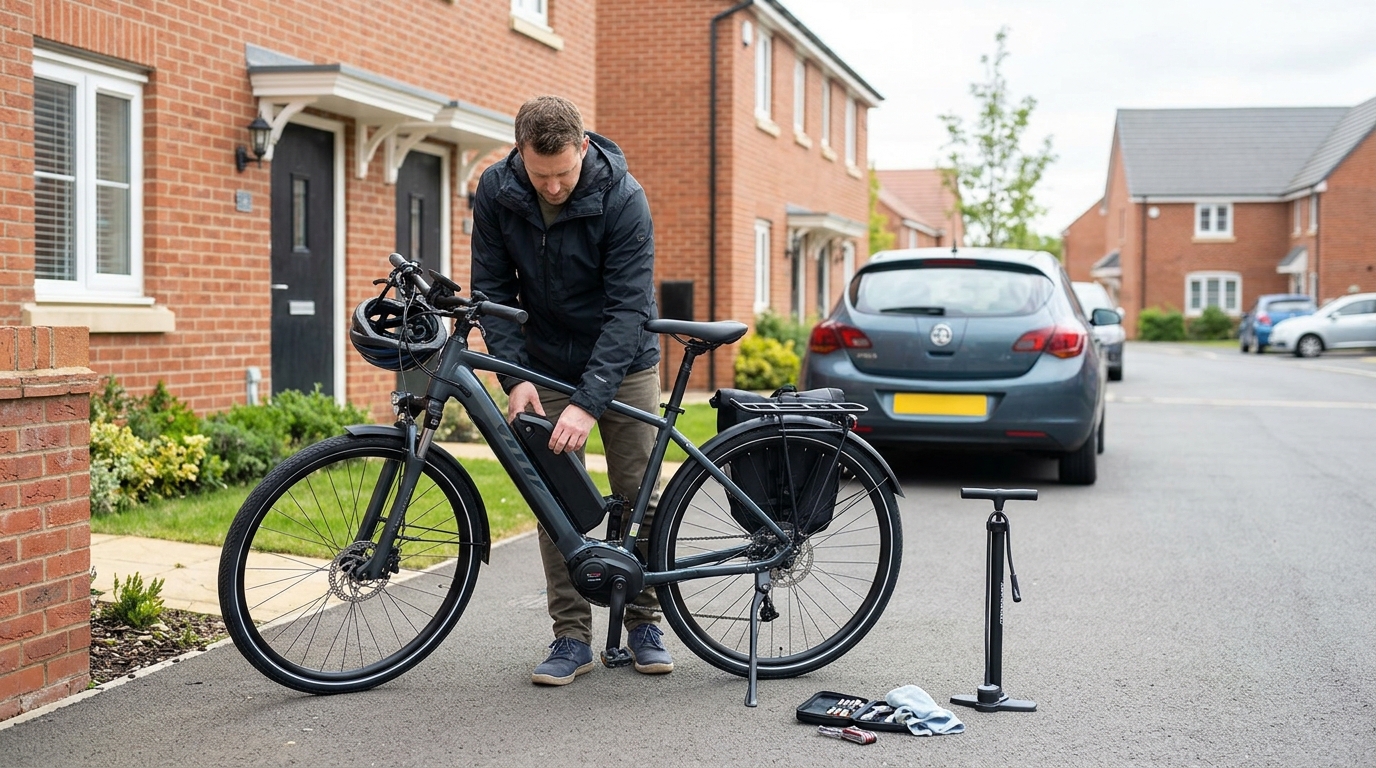
Battery capacity, motor efficiency and overall design continue to influence the performance of newer models. Some e-bikes offer removable batteries, allowing riders to charge them indoors or at work.
The distance an electric bike can cover on one charge depends on several factors, including battery capacity, rider weight, terrain, weather conditions, tyre pressure and the level of assistance selected.
For commuters, choosing a bike with a suitable battery range is important. It is worth considering the full return journey rather than only the distance travelled to work.
Taking proper care of the battery and using the correct charger can also help maintain its performance over time.
- Safety and Infrastructure Still Matter
Despite their advantages, electric bikes also come with responsibilities. Riders need to understand how their bikes work and follow road safety rules.
Good brakes, working lights, suitable tyres and a secure frame are important features to check before riding. Wearing a properly fitted helmet and using reflective clothing can also help improve visibility, particularly during darker mornings and evenings.
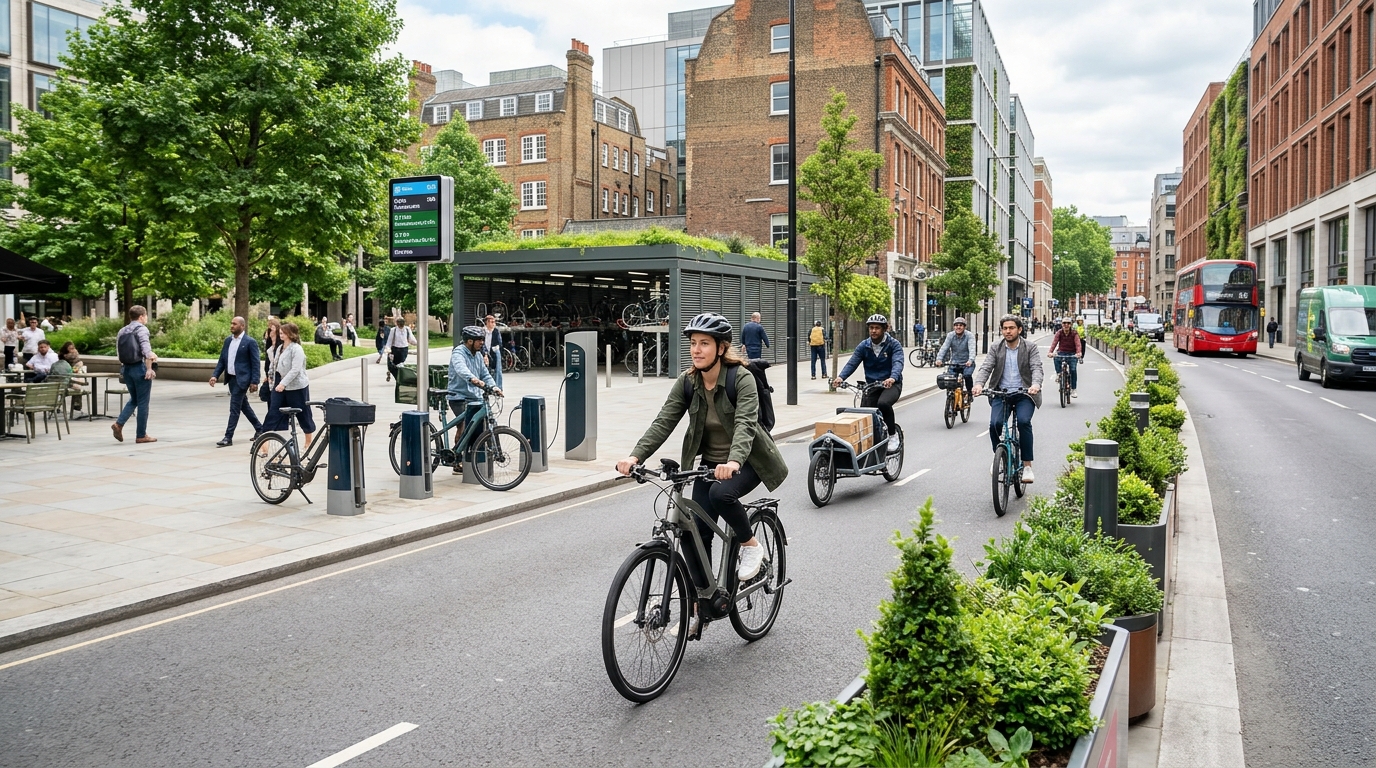
Cities need to provide suitable cycling infrastructure if electric bikes are going to become a bigger part of everyday transportation. Well-maintained cycle lanes, secure parking facilities and safer road layouts can make a significant difference to the riding experience.
In the UK, electrically assisted pedal cycles (EAPCs) must meet specific legal requirements. A compliant e-bike must have pedals capable of propelling it, a motor with a maximum continuous rated power of 250 watts and electrical assistance that cuts off when the bike reaches 15.5mph. Riders must be at least 14 years old. These compliant bikes can be used without a driving licence, registration or motor insurance. More information is available in the official UK electric bike rules.
- Could Electric Bikes Replace Cars for Short Journeys?
Electric bikes are unlikely to replace cars completely, particularly for long-distance travel, large families or journeys involving heavy loads. However, they could replace many short car journeys that take place every day.
Trips to the local supermarket, travelling to work, visiting friends or running everyday errands are all examples of journeys where an e-bike may be suitable.
Cargo electric bikes also provide additional carrying capacity, making them useful for shopping, deliveries and transporting children when equipped appropriately.
The key is choosing the right transport for each journey. By using electric bikes for suitable trips and other transport options when necessary, people can reduce their dependence on private cars.
- What Does the Future Hold for Electric Bikes?
The future of urban transportation is likely to involve a combination of different travel options. Public transport, walking, conventional bicycles, electric bikes and cars will all continue to have their place.
However, electric bikes have the potential to become a much more common sight on city streets. Better battery technology, improved designs and growing awareness of environmental issues are making them an attractive option for a wider range of riders.
As cities continue investing in cycling facilities, electric bikes could become an important part of everyday commuting. More secure parking areas, accessible charging facilities and safer cycling routes would make ownership and regular use even more practical.
For people who want to save time, reduce travel expenses and enjoy greater freedom when getting around, an electric bike is certainly worth considering.
Final Thoughts
Electric bikes offer several advantages for modern city travel. They can make commuting easier, reduce reliance on cars, support an active lifestyle and provide a more environmentally friendly option for everyday journeys. While challenges such as battery costs, road safety and cycling infrastructure still need attention, their growing popularity shows that many people are already considering a different approach to urban transportation. Whether you are looking for a reliable commuter bike or an electric model for longer journeys, Southwark Cycles can help you explore suitable options and find a bicycle that fits your everyday travel needs.