Choosing a bike for Central London isn’t quite the same as choosing one for countryside trails or long-distance touring. The city has its own character busy streets, tight junctions, stop-start traffic, the occasional cobbled road, and more than a few rainy days. Your bike needs to handle all of it while still feeling comfortable and reliable. With so many styles available, it’s easy to feel unsure about what you actually need. Road bike or hybrid? Lightweight or sturdy? Electric or traditional? The right choice depends on how you plan to ride, where you’ll ride, and what kind of experience you want day to day. Let’s break it down in a practical, straightforward way.
Think About How You’ll Use the Bike
Before looking at brands or features, start with your routine.Are you commuting five days a week from Zone 2 into Central London? Riding short distances to meetings? Exploring parks at the weekend? Or mixing transport cycling to the station and hopping on a train? Your purpose matters more than trends. A bike that works perfectly for a weekend fitness rider may not suit someone navigating traffic near Oxford Street every morning. If most of your journeys are short, urban, and practical, comfort and reliability should be your priorities. If you plan to cover longer distances at speed, weight and efficiency become more important. Be honest about your habits. The best bike is the one that fits your real life not the one that looks impressive in a showroom.
Road Bike vs Hybrid Bike: What’s the Difference?
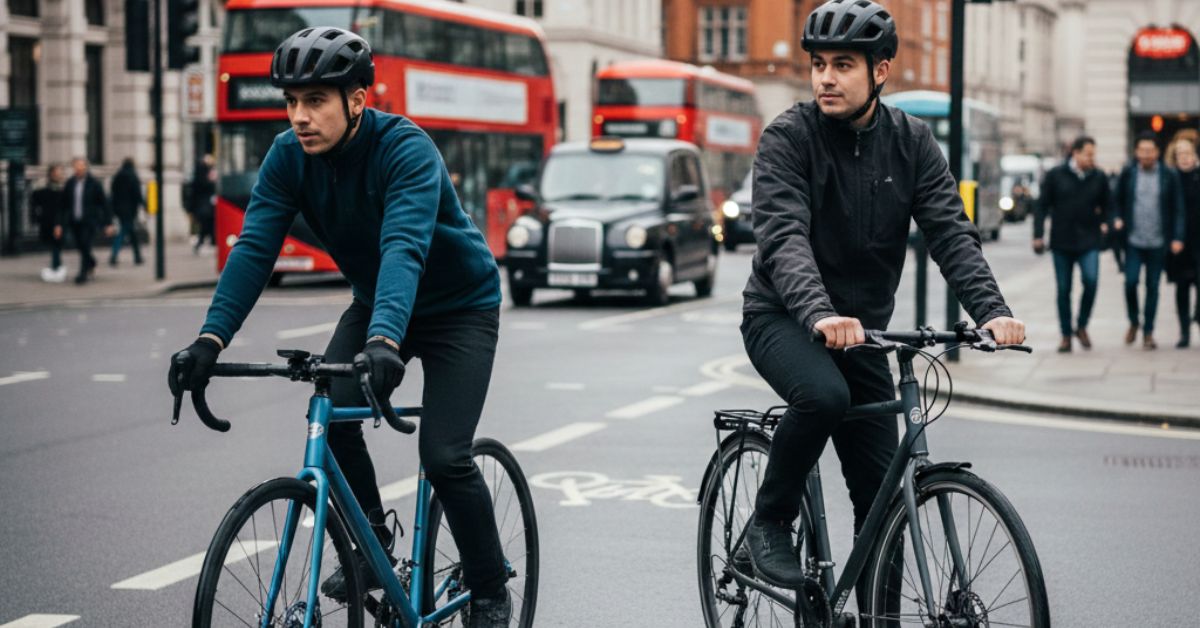
Two of the most common choices for London riders are road bikes and hybrid bikes. Each has its strengths. A road bike is built for speed and efficiency. It has drop handlebars, lightweight frames, and narrow tyres. If you enjoy covering distance quickly and want a fast commute, a road bike can be a great option. However, the riding position is more forward-leaning, which some riders find less comfortable in heavy traffic. A hybrid bike combines elements of road and mountain bikes. It usually has flat handlebars, slightly wider tyres, and a more upright riding position. For many Central London cyclists, hybrids strike the perfect balance. They’re comfortable, stable, and versatile enough for rough patches of road or canal paths. If you’re unsure, ask yourself this: do you value comfort and control more than outright speed? In busy city traffic, many riders prefer the confidence a hybrid provides.
Consider an Electric Bike
Central London might look flat on a map, but bridges, headwinds, and long commutes can still feel demanding—especially if you’re riding daily. An electric bike (e-bike) provides pedal assistance, making longer rides or uphill sections much easier. You still pedal, but the motor supports you. For commuters who want to arrive at work without breaking a sweat, an e-bike can be transformative. They are heavier and more expensive than standard bikes, but for many Londoners, the convenience outweighs those factors. If your journey is over five miles each way or includes hills, it’s worth considering.
Frame Material and Weight Matter
In a city where you may need to carry your bike up stairs, lift it onto a train, or store it in a flat, weight becomes important. Aluminium frames are common and offer a good balance between strength and affordability. They’re relatively lightweight and ideal for city use. Carbon fibre is lighter still, but more expensive and usually found on higher-end road bikes. Steel frames are durable and comfortable but can be heavier. For everyday Central London riding, aluminium is often the sweet spot strong enough for city streets, light enough to handle easily.
Choose the Right Tyres for City Roads
London roads are not always smooth. Potholes, drain covers, and uneven surfaces are part of the experience. Very thin racing tyres may feel fast, but they can increase the risk of punctures and make the ride less forgiving. Slightly wider tyres provide better grip and comfort while still rolling efficiently. Puncture-resistant tyres are worth serious consideration. Fixing a flat tyre on a busy pavement during rush hour is not anyone’s idea of a good morning.
Gearing for Stop-Start Traffic
Central London traffic involves frequent stops at lights and junctions. You’ll want gearing that allows you to accelerate smoothly and comfortably. Most modern bikes come with a wide range of gears, which is helpful for bridges and varied terrain. If you prefer simplicity, some city bikes offer internal hub gears, which are low maintenance and easy to use in urban environments. The key is smooth shifting and reliability. Test ride the bike and make sure gear changes feel responsive and intuitive.
Comfort Is Not a Luxury
When you’re riding regularly, small discomforts add up. An uncomfortable saddle, awkward handlebar position, or poor fit can turn a short commute into a daily frustration. Make sure the bike is the correct frame size for your height. A professional fitting can make a huge difference. Your knees should feel aligned, your back supported, and your hands relaxed on the bars. An upright position often works best in London traffic because it improves visibility and awareness. You can see further ahead and make eye contact with drivers more easily.
Don’t Overlook Practical Features
City cycling often requires more than just the bike itself. Mudguards are extremely useful in London’s unpredictable weather. They keep water and grime off your clothes. A pannier rack allows you to carry a bag without straining your back. Built-in lights or dynamo lighting systems can add convenience and safety. Think about storage too. If space is tight at home, a lighter or more compact bike may be easier to manage. Practical features may not be glamorous, but they make daily riding far more enjoyable.
Security Should Be Part of Your Decision
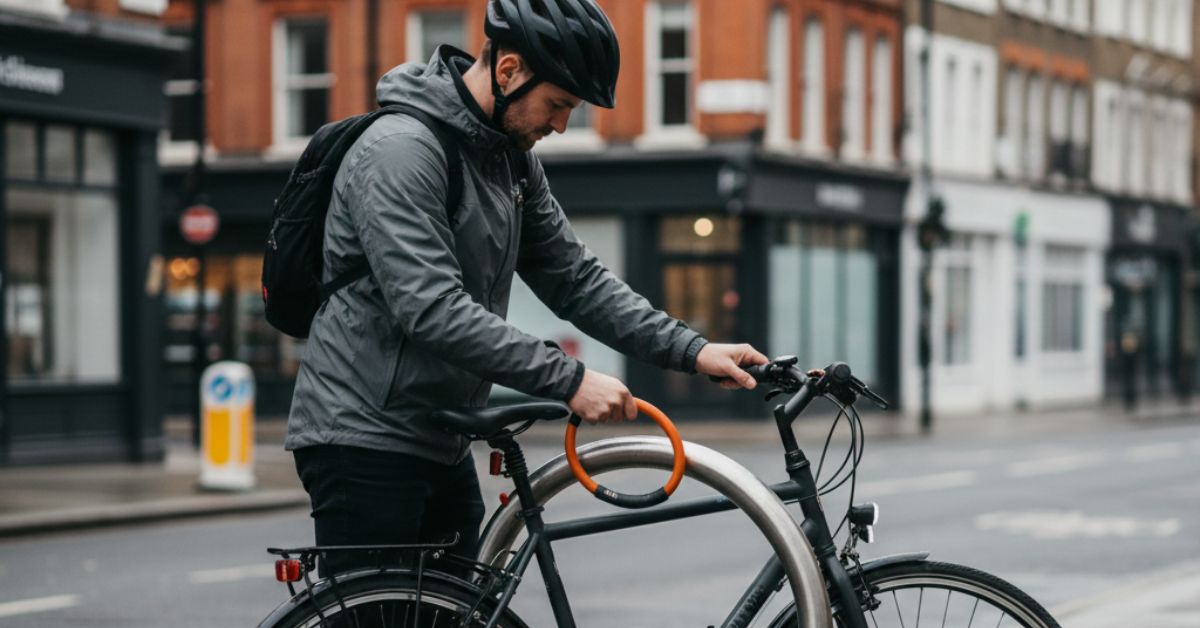
Bike theft is a reality in any major city. While no bike is completely theft-proof, choosing a model that suits your parking situation is important. If you’ll be locking your bike outside regularly, you might prefer something durable but not overly flashy. Investing in a high-quality lock is just as important as choosing the bike itself. Some riders opt for insurance for additional peace of mind.
Test Ride Before You Decide
You can read specifications all day, but nothing replaces the feeling of sitting on the bike and riding it. Pay attention to how it feels when you start from a stop. Is it stable? Does it feel too heavy? Are the brakes responsive? Can you comfortably reach the handlebars? A short test ride around the block can reveal far more than an online description ever could.
Balance Budget with Long-Term Value
It’s tempting to go for the cheapest option, especially if you’re new to cycling. But a very low-cost bike may require more maintenance and replacement parts over time. Think of your bike as a long-term investment in your daily routine and wellbeing. A slightly higher upfront cost can mean better durability, smoother performance, and fewer repair bills. Set a realistic budget and aim for the best quality within that range.
Final Thoughts on Choosing the Right Bike
Choosing the right bike for Central London comes down to practicality, comfort, and confidence. The perfect bike is one that feels natural beneath you steady in traffic, reliable in all weather, and suited to your daily habits. Take your time, ask questions, and prioritise how the bike fits your life rather than how it looks on paper. When you find the right match, cycling through London becomes less stressful and far more enjoyable. If you’re unsure where to begin, visiting a knowledgeable local shop such as Chelseabikes can help you explore your options, test different styles, and find a bike that truly suits the way you ride. The right choice will not only get you across the city it will make every journey feel that little bit better.