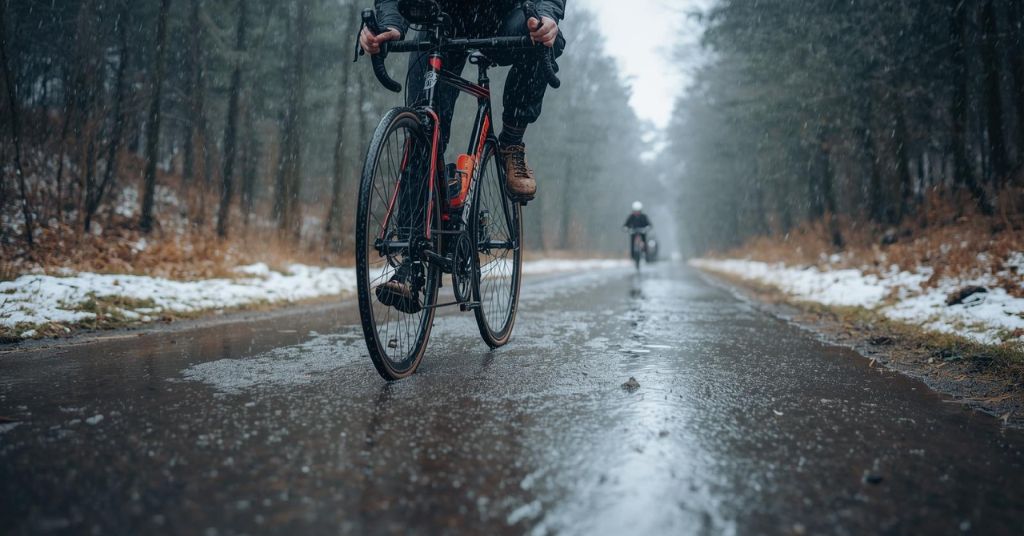
Winter cycling in London has its own personality. The streets are quieter in the early mornings, the air feels sharper, and the city takes on a different rhythm once the temperatures drop. But winter also brings rain, grit, road salt, shorter days, and unpredictable conditions. Preparing your bike properly is not just about comfort; it is about safety, reliability, and keeping your bike running smoothly through the cold months. With the right preparation, winter riding can be one of the most rewarding times to cycle in the capital.
Start with a Deep Clean
Before winter truly sets in, give your bike a thorough clean. This is more than a cosmetic step. Dirt, old grease, and grime hide problems and accelerate wear, especially once rain and road salt get involved.Use warm water, a gentle bike cleaner, and soft brushes to clean the frame, drivetrain, wheels, and brakes. Pay close attention to the chain, cassette, and derailleur jockey wheels, as these areas collect the most grit. Once clean, dry the bike fully with a cloth to prevent moisture from settling into bearings and bolts.
Protect the Drivetrain from Water and Salt
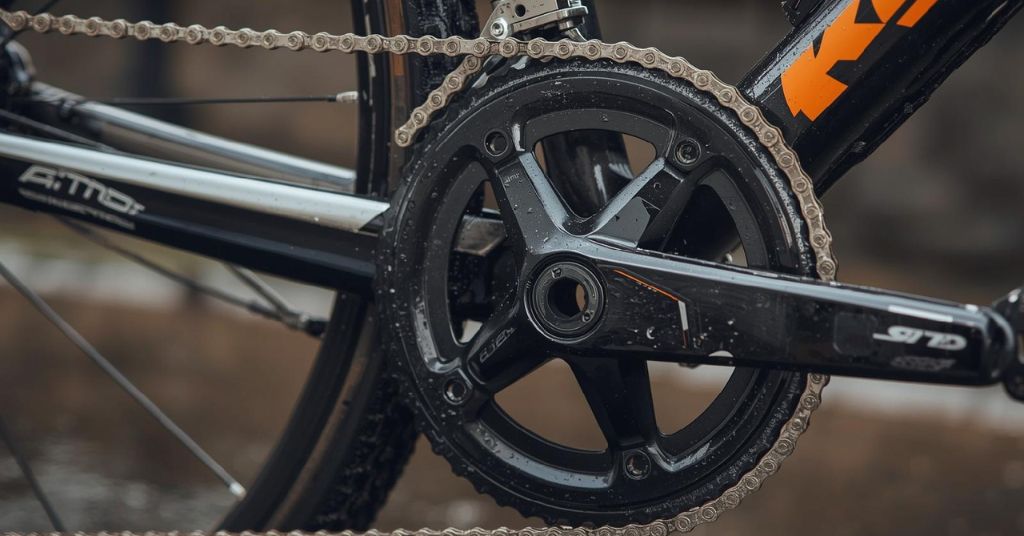
London roads in winter are harsh on drivetrains. Rain washes away lubrication quickly, and road salt speeds up corrosion. Switching to a wet-weather chain lubricant is one of the most important seasonal changes you can make.Apply lube sparingly to each chain link and wipe away any excess. Too much lubricant attracts dirt, which creates a grinding paste that wears parts faster. Check and re-lube the chain more often in winter, especially after wet rides.
Check Tyres and Consider a Winter Upgrade
Tyres are your main point of contact with the road, and winter surfaces demand more grip. Cold temperatures reduce tyre flexibility, and wet roads increase stopping distances.Check your tyres for cuts, cracks, or flattened profiles. If the rubber looks tired, replace it before winter riding becomes routine. Many London cyclists switch to slightly wider tyres during winter. Wider tyres can be run at lower pressures, improving grip and comfort on wet, uneven roads.
Inspect Brakes and Improve Stopping Power
Reliable brakes are essential in winter, especially in traffic and on wet descents. Start by checking brake pads for wear. Pads wear faster in wet conditions, so if they are already thin, replace them before winter begins.For rim brakes, clean the braking surfaces on both the rims and pads. Grit builds up quickly and reduces braking performance. For disc brakes, inspect the rotors for contamination and ensure pads have plenty of material left.
Make Yourself Visible in Low Light
Winter days in London are short, and many rides happen in darkness or poor visibility. Good lights are not optional they are essential.Use a bright white front light and a strong red rear light, both designed for urban riding. Look for lights with steady and flashing modes to help you stand out in traffic. Check battery life regularly and recharge lights before they run low.
Guard Against Water with Mudguards
Mudguards are one of the best winter upgrades you can make. They protect you, your bike, and other road users from water, mud, and grit thrown up by your wheels.Full-length mudguards offer the most protection and are ideal for commuting or longer winter rides. They keep your feet drier, your drivetrain cleaner, and your clothing free from road spray.By reducing the amount of water and grit hitting your bike, mudguards also reduce maintenance and extend the life of components during winter.
Check Bearings and Bolts
Cold, wet conditions can expose weaknesses in bearings and fittings. Spin the wheels and listen for grinding or roughness in the hubs. Check the bottom bracket and headset for smooth movement without play.Go over key bolts, including stem, seatpost, and brake mounts, to ensure they are secure. Temperature changes can cause components to shift slightly, so a quick check helps prevent creaks and unexpected movement.Applying a small amount of grease or anti-seize compound to bolts can help prevent corrosion over the winter months.
Adjust Your Gearing for Winter Riding
Winter riding often means heavier clothing, wet roads, and slightly slower speeds. Gearing that feels fine in summer can feel harder when conditions are tougher.Make sure your gears shift smoothly and accurately. Replace worn cables or housing if shifting feels inconsistent. Clean and adjust the derailleur to ensure reliable changes when you need them most, such as at traffic lights or on short climbs.
Prepare for Regular Maintenance
Winter riding is harder on bikes, so maintenance needs to be more frequent. Wipe down the bike after wet rides, especially the chain and braking surfaces. A quick post-ride clean takes minutes and prevents long-term damage.Check tyre pressure more often, as cold air causes pressure to drop. Inspect the chain for rust or stiffness and re-lubricate as needed. Small, regular checks prevent larger problems from developing mid-season.
Adopt a Winter Cycling Mindset
Preparing your bike for winter is also about adjusting expectations. Rides may be slower, roads messier, and conditions unpredictable. A well-prepared bike allows you to focus on the experience rather than mechanical worries.As winter settles in and the city shifts into its colder rhythm, a well-prepared bike makes all the difference. Taking the time to clean, protect, and adjust your setup ensures safer rides, fewer breakdowns, and more confidence on wet London roads. For riders looking for expert advice, servicing, or winter-ready upgrades, chelsea bikes is a trusted place to keep your bike performing at its best throughout the season.