Cycling through London at night offers a very different experience from daytime riding. The roads are often quieter, the air feels cooler, and the city takes on a calmer, almost reflective mood. For many people, night cycling is a practical necessity due to work hours, while for others it is a personal choice. Despite its appeal, riding after dark requires extra care. Visibility drops, reaction times shorten, and unexpected hazards become harder to spot. Understanding these challenges is the first step to staying safe and confident on London’s roads at night.
Why Night Cycling Feels Different
Night cycling changes how you see the road and how others see you. Streetlights, headlights, and reflections can distort depth and distance. Even experienced cyclists can misjudge a corner or a surface when lighting is uneven. Drivers also face reduced visibility. Fatigue, glare, and distractions can affect their awareness. This makes it essential for cyclists to ride in a way that is predictable and clearly visible, especially in busy urban areas.
Being Seen Is More Important Than Seeing
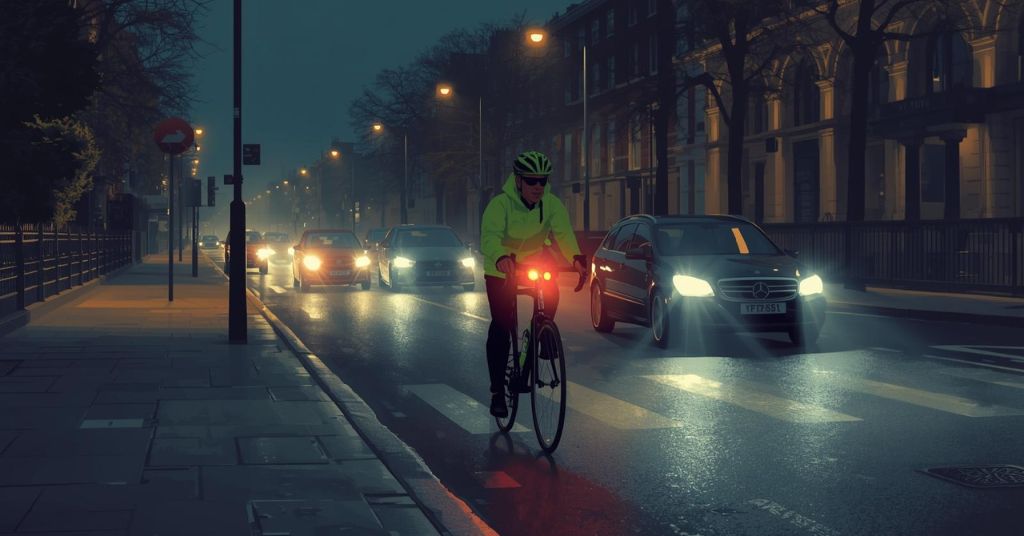
Visibility is the foundation of night cycling safety. If other road users cannot see you clearly, they cannot react in time. Good lighting is not optional it is a necessity. A strong white front light helps you spot potholes, road markings, and debris. A bright red rear light ensures drivers can identify you from behind. Both lights should be steady enough to be seen clearly, not just noticed briefly.
Reflective Clothing and Accessories
Lights alone are not enough. Reflective materials help define your shape and movement on the road. This makes it easier for drivers to recognise you as a cyclist rather than a distant light. Reflective strips on jackets, bags, shoes, and ankle bands are especially effective. Moving reflections catch attention more naturally than static ones. The goal is to be visible from multiple angles, not just front and back.
Choosing the Right Routes After Dark
Not all cycling routes are suitable at night. A quiet shortcut during the day may feel unsafe or poorly lit after sunset. Planning your route in advance can reduce stress and improve safety. Well-lit main roads and designated cycleways are often better choices. They offer consistent lighting and predictable traffic flow. Familiar routes are also preferable, as you are less likely to be surprised by sudden turns or hazards.
Understanding London’s Night Traffic
London’s traffic patterns change after dark, but they do not disappear. Taxis, delivery vans, buses, and ride-hailing vehicles remain active well into the night. These vehicles may stop suddenly or change lanes without much warning. Staying alert and anticipating movement is essential. Keep a safe distance from vehicles and avoid riding in blind spots. Awareness helps you respond calmly instead of reacting at the last second.
Road Positioning for Better Safety
How you position yourself on the road plays a major role in night safety. Riding too close to the kerb can make you harder to see and more vulnerable to debris and drains. Taking a clear, visible position in the lane helps drivers notice you sooner. This is especially important at junctions, narrow roads, and areas with parked cars. Clear positioning signals confidence and intent.
Navigating Junctions and Intersections
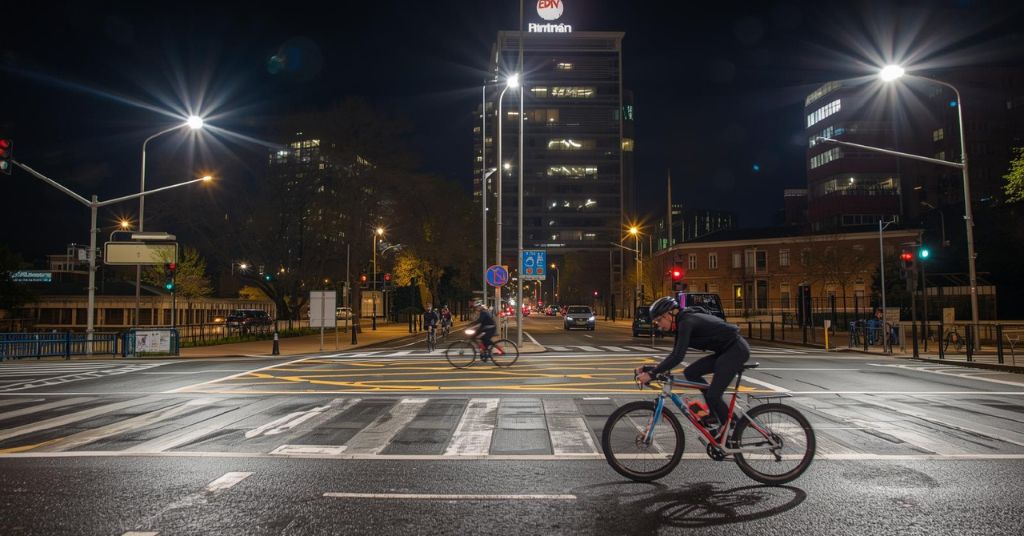
Junctions are high-risk areas, particularly at night. Drivers may be focused on traffic lights or oncoming vehicles and overlook cyclists entirely. Slowing slightly and scanning carefully can make a big difference. Make your movements obvious. Signal early, maintain a steady line, and avoid sudden changes in direction. If a situation feels uncertain, it is better to wait a moment than to push through.
Handling Roundabouts After Dark
Roundabouts can be intimidating at night, especially larger ones with multiple lanes. Reduced visibility makes it harder for drivers to judge speed and distance. Taking the lane and riding assertively can help you stay visible. If a roundabout feels too risky, there is no shame in dismounting and using pedestrian crossings. Safety should always come before speed or pride.
Watching the Road Surface
London’s road surfaces can be unpredictable, particularly after rain. Potholes, loose gravel, wet leaves, and painted road markings become more dangerous in low light. A good front light helps, but speed control is just as important. Riding slightly slower gives you more time to react. Smooth steering and gentle braking reduce the risk of slipping or losing control.
Wet Weather and Night Riding
Rain adds another layer of difficulty to night cycling. Reflections from headlights and streetlights can make it harder to see hazards. Braking distances increase, and grip decreases. In wet conditions, avoid sharp turns and sudden stops. Be cautious on metal covers and road markings, as they can become extremely slippery. Staying relaxed and controlled helps maintain balance.
Interacting with Pedestrians
Pedestrians can be harder to spot at night, especially in poorly lit areas. Some may cross the road unexpectedly or step into cycle lanes without looking. Use your bell when necessary and reduce speed in busy areas. Giving pedestrians extra space and time helps avoid sudden surprises. Patience goes a long way in shared spaces.
Staying Alert and Focused
Night cycling demands a higher level of concentration. Distractions that might seem minor during the day can become serious risks after dark. Avoid using headphones and keep your focus on the road ahead. Regularly scan your surroundings and listen for approaching vehicles. Staying mentally engaged helps you anticipate problems before they arise.
Personal Safety Beyond the Road
Road safety is not the only concern at night. Feeling secure in your surroundings also matters. Choose routes that feel comfortable and well populated where possible. Trust your instincts. If a road feels unsafe, take an alternative route. Let someone know your expected arrival time, especially if you are riding late.
Bike Maintenance for Night Riding
A well-maintained bike is crucial for night safety. Brakes should be responsive, tyres properly inflated, and gears functioning smoothly. Mechanical issues feel more serious when visibility is low. Check your lights before every ride and ensure batteries are charged. Carrying a small backup light can provide peace of mind. Simple preparation prevents unnecessary stress.
Building Confidence Over Time
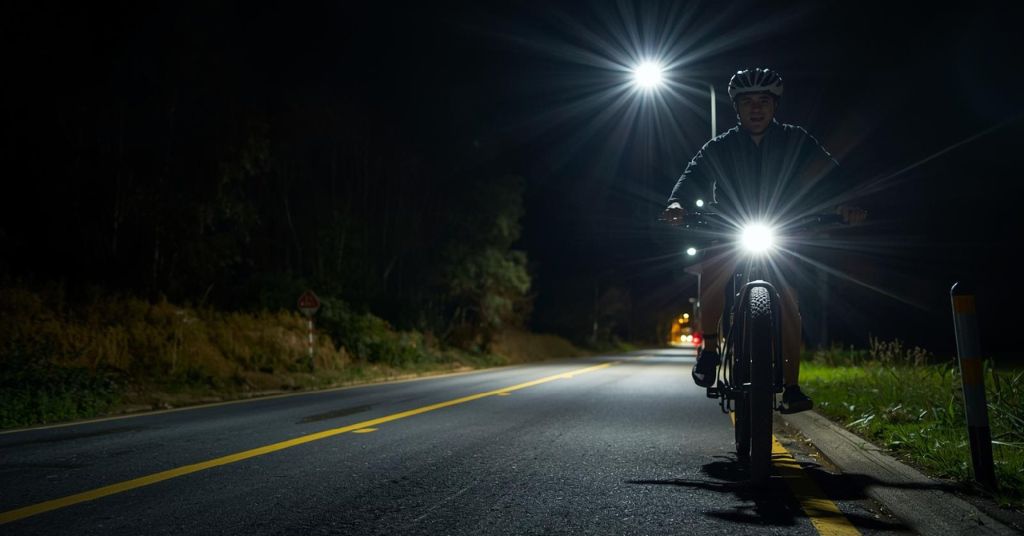
Confidence in night cycling grows with experience. Starting with familiar routes helps you adjust gradually. Over time, you learn how traffic behaves and which roads feel safest. Many cyclists eventually come to enjoy night rides for their calm and simplicity. With preparation and awareness, night cycling can feel empowering rather than intimidating.
Cycling London at Night with Confidence
Night cycling in London is about balance. Visibility, awareness, and preparation work together to create safer rides. By making thoughtful choices and riding with intention, cyclists can navigate the city confidently after dark. With guidance, proper equipment, and trusted local expertise from chelseabikes, night cycling can become a rewarding part of everyday life.