Starting to cycle in London can feel a little daunting. The city has busy roads, buses, taxis, cycle lanes, junctions, pedestrians, and plenty of traffic to deal with. If you have not cycled in a busy city before, it is natural to wonder where you should begin.
The good news is that you do not need to be an experienced cyclist before you start. With the right bike, some basic equipment, a little practice, and a sensible approach to choosing your routes, cycling around London can become a comfortable part of your routine.
Choose a Bike That Suits Your Needs
The first step is choosing a bicycle that matches the type of riding you plan to do.
If your main purpose is commuting, a hybrid bike can be a practical choice. It offers a comfortable riding position while being suitable for roads and cycle paths. A road bike may be more suitable if you want to travel longer distances at a faster pace.
For shorter journeys and everyday trips, a city or commuter bike can also work well. If you are considering an electric bike, an e-bike can make longer journeys and hills easier, particularly if you are not used to cycling regularly.
The most expensive bike is not necessarily the right bike for you. Comfort, correct sizing, reliability, and suitability for your routes are more important.
Get the Right Bike Size
A bicycle that does not fit properly can make cycling uncomfortable and harder than it needs to be.
Your height, leg length, riding position, and the type of bike all affect the correct frame size. When possible, try the bike before buying it and make sure you can reach the handlebars comfortably and operate the brakes without difficulty.
Your saddle height is also important. A saddle that is too low can make pedalling harder, while one that is too high can make it difficult to control the bike comfortably.
If you are unsure about sizing, ask a bike shop for help before making a purchase.
Start With Familiar Roads
There is no need to begin your cycling journey by taking on London’s busiest roads.
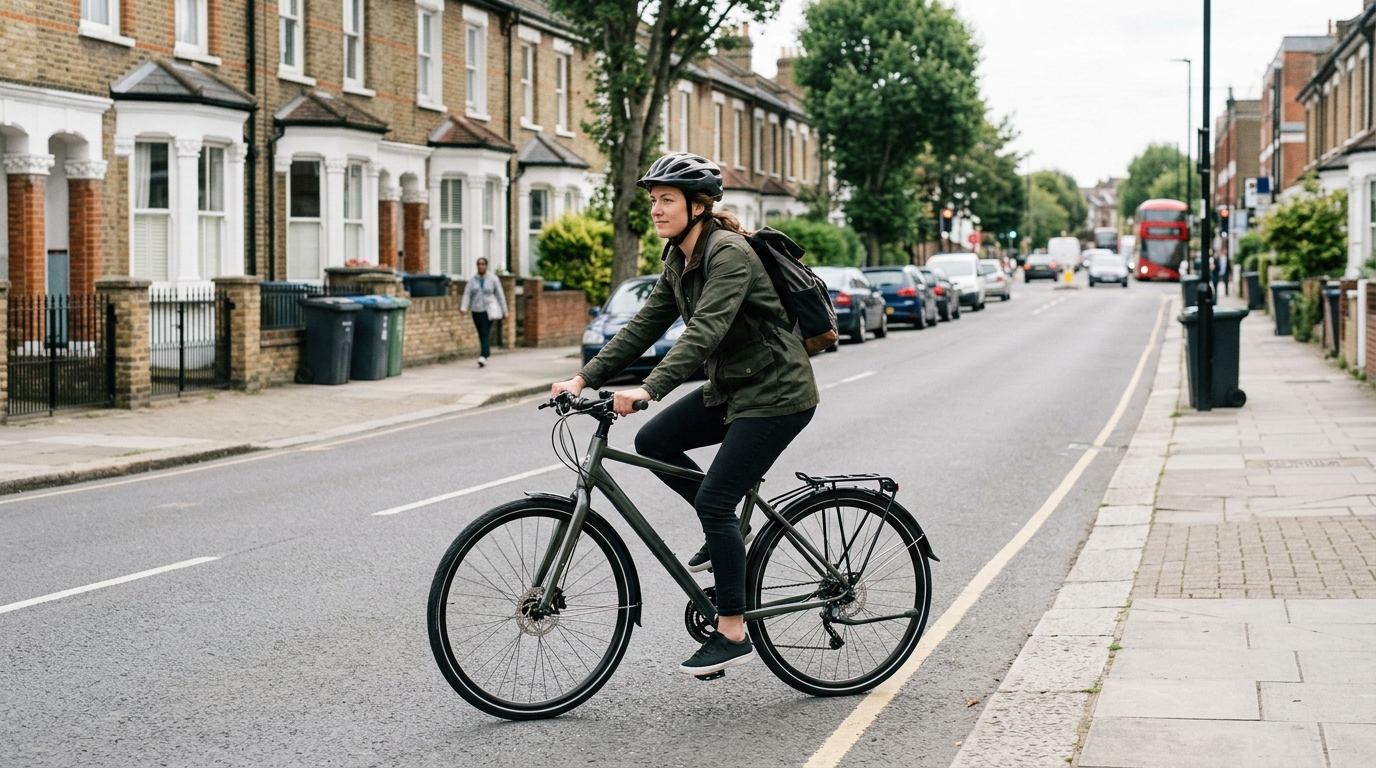
Start with routes that you already know. This allows you to concentrate on cycling rather than trying to understand unfamiliar streets at the same time.
Try cycling around your local area during quieter periods. Once you become more comfortable, gradually introduce busier roads and longer journeys.
This approach gives you time to understand how traffic behaves and how you feel when riding alongside other road users.
Plan Your Route Before You Leave
A little preparation can make a big difference.
Before setting off, look at your route and consider whether there are cycle lanes, quieter streets, busy junctions, steep sections, or roads where you may feel uncomfortable.
You may find that the fastest route by car is not necessarily the best route by bicycle. A slightly longer route with quieter roads or better cycling facilities may make your journey much more enjoyable.
It is also useful to have an alternative route in mind in case you encounter roadworks, heavy traffic, or a closed cycle path.
Learn the Basics of Road Positioning
Good road positioning is an important part of cycling safely.
Try to maintain a position where you can see what is happening around you and where other road users can see you. Avoid riding too close to parked vehicles, as someone may open a car door without noticing you.
Pay attention to vehicles turning across your path, particularly at junctions. Make sure you look carefully before changing direction and give clear signals when appropriate.
You should also avoid sudden movements. Predictable riding makes it easier for drivers, pedestrians, and other cyclists to understand what you are doing.
Understand London Junctions
Junctions can be one of the most challenging parts of city cycling, especially for beginners.
Before entering a junction, take your time and look carefully at the road markings and traffic around you. Do not feel pressured to rush because another vehicle is waiting behind you.
If you are unsure about how to navigate a particular junction, practise it at a quieter time or choose an alternative route while you build confidence.
Remember that being comfortable and predictable is more important than trying to complete every journey as quickly as possible.
Use Lights When Cycling in Low Light
If you are cycling early in the morning, in the evening, or during darker weather, make sure your bicycle has suitable lights.
A front light helps you see ahead and makes you more visible to approaching traffic. A rear light helps road users behind you see your position.
Check the batteries or charge before leaving home. It is frustrating to discover that your lights have run out of power halfway through a journey.
Reflective clothing and accessories can also help improve your visibility, particularly in poor weather.
Wear a Properly Fitted Helmet
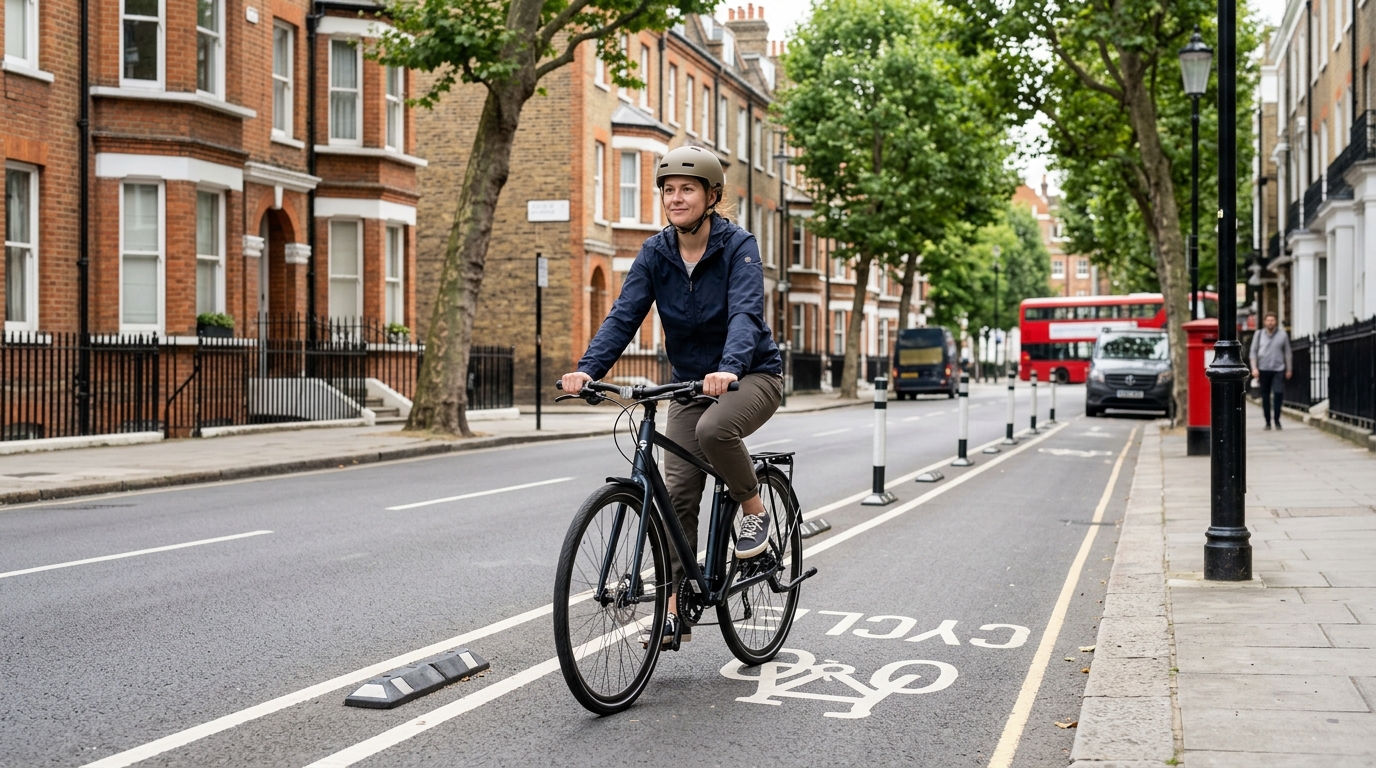
A helmet is an important piece of cycling equipment. If you choose to wear one, make sure it fits correctly and is suitable for cycling.
The helmet should sit securely on your head without moving around excessively. Follow the manufacturer’s fitting instructions and replace a helmet after a significant impact or when it has become damaged.
A helmet should be part of your wider approach to cycling safety rather than a replacement for good road awareness.
Learn a Few Basic Bike Maintenance Skills
You do not need to become a professional mechanic, but learning a few basic maintenance tasks can make cycling much easier.
Start by learning how to check tyre pressure, repair or replace an inner tube, lubricate the chain, and inspect your brakes.
It is also worth knowing how to recognise signs of wear. If your gears are skipping, your brakes feel weak, or your tyres are badly worn, deal with the problem before it becomes more serious.
Carry a basic repair kit when you ride longer distances. A spare inner tube, tyre levers, pump, and a small multi-tool can be useful if something goes wrong.
Take Care of Your Bicycle
London has plenty of bicycles on the road, which also means bike security is something new cyclists should consider.
Use a good-quality lock when leaving your bike unattended. Whenever possible, secure the frame and wheels to a solid, fixed object in a suitable cycle parking area.
Avoid leaving your bike unattended for long periods in exposed locations. If you have a more expensive bicycle, consider using more than one security measure.
At home, store your bike somewhere secure and avoid leaving it in a place where it is easily accessible from the street.
Build Your Confidence Gradually
Confidence comes with experience.
Your first few rides may feel uncomfortable, especially if you are not used to cycling around traffic. That does not mean you are doing anything wrong.
Start with short journeys and gradually increase the distance. Ride at a pace that allows you to remain in control. Give yourself enough time to reach your destination rather than rushing.
As you gain experience, you will become more familiar with traffic patterns, road layouts, cycle lanes, and common situations that initially seemed difficult.
Make Cycling Part of Your Routine
One of the easiest ways to become more confident is to cycle regularly.
You could begin with one or two short journeys each week. Try cycling to a local shop, park, station, or workplace if the distance is manageable.
Regular riding helps you become more comfortable with starting, stopping, turning, changing gears, checking behind you, and dealing with different road conditions.
Over time, cycling can become a normal part of getting around London rather than something that requires a lot of thought before every journey.
Do Not Be Afraid to Ask for Help
There is a lot to learn when you first start cycling in London, and you do not have to figure everything out yourself.
A local bike shop can help you choose a suitable bicycle, check the fit, recommend useful accessories, and carry out repairs or servicing. Speaking to experienced cyclists can also give you practical advice about routes and everyday cycling.
Most importantly, give yourself time to learn. Every cyclist was a beginner at some point.
Start Small and Enjoy the Ride
Getting started with cycling in London does not need to be complicated. Choose a bike that fits you properly, learn the basic road rules, plan routes that suit your confidence level, and make sure your bicycle is equipped for the conditions.
Begin with short and familiar journeys, then build up gradually as you become more comfortable. Keep your bike maintained, carry basic repair equipment, and pay attention to what is happening around you.
For anyone looking for bicycles, repairs, servicing, accessories, or advice for getting started, chelsea bikes can help you find the right equipment and keep your bike ready for everyday London riding. With a little preparation and regular practice, cycling can become a simple, practical, and enjoyable way to explore the city.