Cycling is a convenient way to travel, stay active and explore new places. Whether you ride to work, cycle around your local area or enjoy longer weekend journeys, wearing the right equipment can make a difference to your safety and comfort. One of the most important pieces of equipment is a bicycle helmet. However, choosing one is not always as simple as picking a design or colour that you like.
Bicycle helmets are available in different shapes, sizes and price ranges, with various features designed to suit different types of riders. Some focus on ventilation and lightweight construction, while others offer additional impact protection, better adjustment systems or improved visibility. Understanding these differences can help you choose a helmet that suits your riding habits and provides reliable protection.
If you are planning to buy a new helmet, here are the main features worth considering before making your decision.
1. Safety Standards and Certification
Safety should always come before appearance when buying a bicycle helmet. A helmet may look strong and well-designed, but its appearance alone cannot tell you how effectively it has been tested.
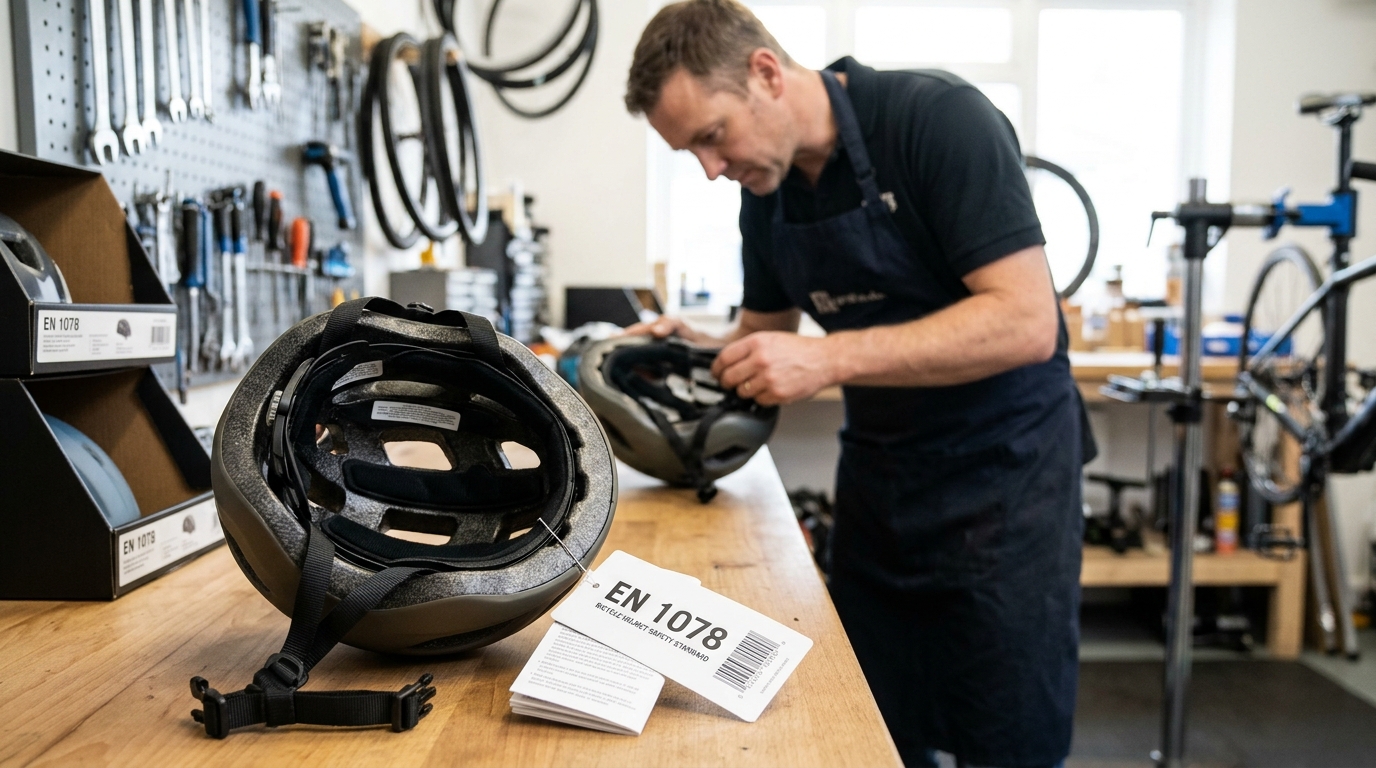
In the UK, look for a bicycle helmet that complies with the recognised EN 1078 safety standard. This European standard covers helmets designed for pedal cyclists, skateboarders and users of roller skates. Check the product label, packaging or manufacturer’s information to confirm that the helmet meets the relevant requirements.
A certified helmet has been tested for factors such as impact absorption, retention system strength and coverage. These tests help establish whether the helmet meets the required safety criteria.
Avoid buying novelty helmets or products that make impressive safety claims without providing clear certification details. A genuine cycling helmet should come with identifiable safety information from its manufacturer.
2. A Comfortable and Secure Fit
Even a well-made helmet cannot provide its intended protection if it does not fit properly. This is one of the most important things to check before purchasing.
Start by measuring the circumference of your head just above your eyebrows. Compare the measurement with the manufacturer’s size guide, as sizing can vary between brands and models.
A good helmet should sit level on your head, covering the upper forehead without blocking your vision. The front edge should generally sit around one or two finger-widths above your eyebrows. It should feel comfortably snug without creating pressure points.
Most modern helmets include an adjustable retention system, often operated using a small dial at the back. This allows you to tighten or loosen the internal cradle to achieve a secure fit.
Once adjusted, gently move your head from side to side. The helmet should remain in position rather than sliding around. If it feels loose even after adjusting the straps and retention system, try a different size or model.
3. Ventilation and Airflow
Ventilation is another important feature, particularly for people who cycle regularly or travel longer distances. Riding can become uncomfortable when heat builds up beneath a helmet, especially during warmer weather or uphill journeys.
Most cycling helmets have ventilation openings that allow air to move across the head. These openings help release heat and improve airflow while riding.
Road cycling helmets often have larger or more numerous vents because riders may spend extended periods on the bike. Commuter helmets sometimes use a more balanced design, offering sufficient ventilation while maintaining additional coverage.
However, more vents do not automatically mean a better helmet. The overall design and internal airflow channels also influence how effectively heat escapes.
If you regularly cycle through different seasons, consider how the helmet will perform in both warm and cooler conditions. A comfortable level of ventilation can make everyday riding much more enjoyable.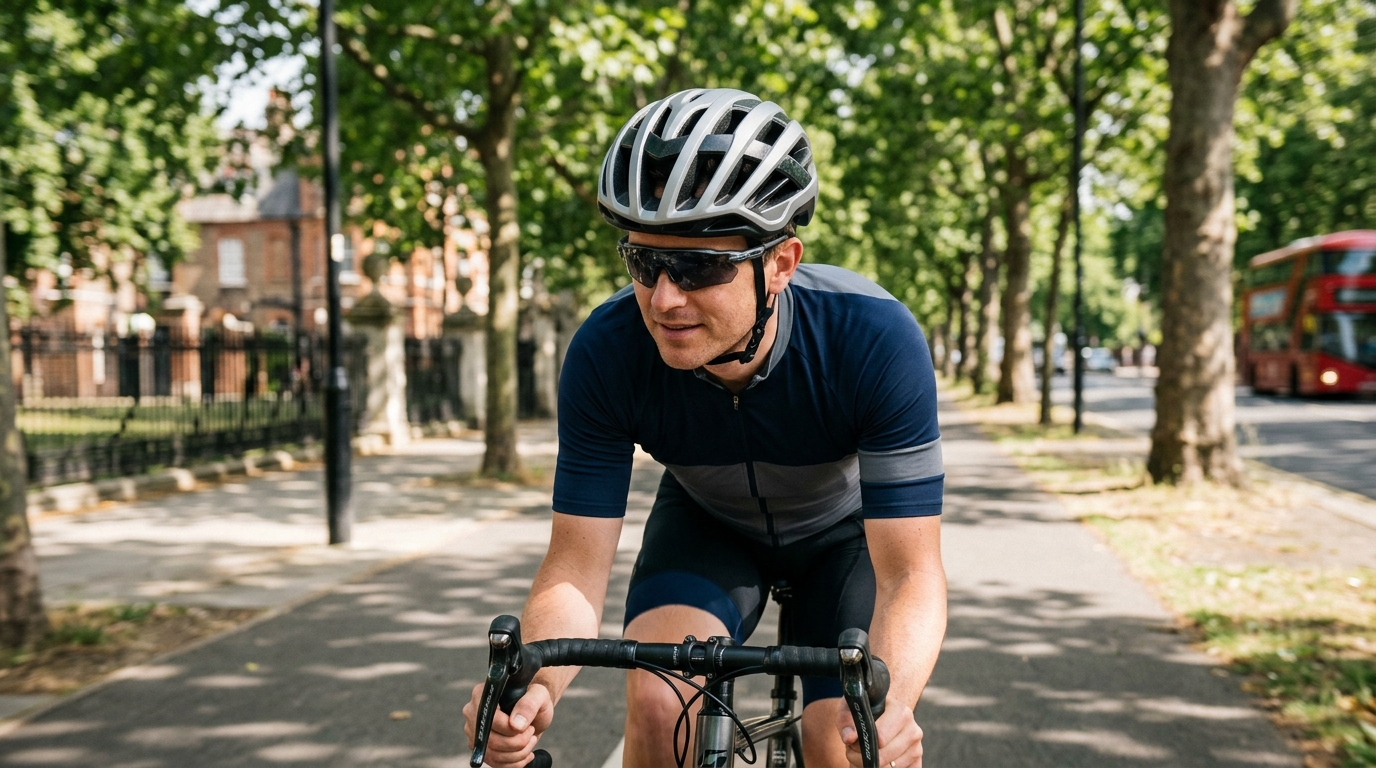
4. Lightweight Construction
The weight of a helmet can affect how comfortable it feels, particularly during longer rides. A heavy design may place additional pressure on your head and neck, while a lighter helmet can feel less noticeable during everyday use.
Many modern bicycle helmets use an expanded polystyrene (EPS) foam liner combined with a hard outer shell. The foam helps absorb impact energy by deforming during a collision, while the outer shell provides structural protection.
Manufacturers use different materials and construction methods to reduce weight without compromising the helmet’s required safety performance.
Road cyclists often prefer lightweight helmets because they may spend several hours riding at a time. Commuters may also appreciate a lighter design, especially if they carry their helmet after reaching work.
When comparing helmets, consider weight alongside fit, coverage and certification rather than treating it as the most important feature.
5. Additional Protection Technologies
Some bicycle helmets include additional technologies designed to manage forces during certain types of impacts.
One example is MIPS, which stands for Multi-directional Impact Protection System. It is an additional low-friction layer incorporated into some helmet designs. The system is intended to allow a small amount of movement between the helmet and the head during certain angled impacts, helping manage rotational forces.
Not every helmet includes MIPS, and there are other protective technologies developed by different manufacturers. These features can be worth considering when comparing products.
However, additional technology should never replace the basics. A correctly fitted, properly certified helmet remains essential. Always check the manufacturer’s explanation of any protection system before deciding whether its additional cost is worthwhile.
6. Adjustable Straps and Retention Systems
A bicycle helmet should stay securely in place while you ride. Adjustable straps and a reliable fastening system help achieve this.
Look for side straps that can be adjusted to form a V-shape around each ear. The straps should meet just below the ears without rubbing against them or hanging loosely.
The chin strap should fasten comfortably beneath your chin. It should be snug enough to prevent the helmet from moving excessively, but not so tight that it causes discomfort.
Many helmets also feature quick-release buckles, which make fastening and removing the helmet easier.
Some models have adjustable rear retention systems that allow you to fine-tune the fit without repeatedly changing the straps. This is particularly useful if you wear different hairstyles or use a thin cycling cap underneath your helmet.
Before buying, try the adjustment system yourself. It should be straightforward to operate and should hold its position once adjusted.
7. Choosing the Right Helmet for Your Riding Style
Not all bicycle helmets are designed for the same type of cycling. Choosing a style that matches your usual activities can improve comfort and practicality.
Road helmets are generally lightweight, with ventilation systems designed for longer rides and faster cycling. Their streamlined shapes appeal to people who regularly travel on open roads.
Mountain bike helmets usually offer additional rear coverage and may include a visor to help protect the eyes from sunlight, mud and low-hanging branches. Some models also provide more substantial protection around the sides and back of the head.
Commuter and urban helmets often focus on everyday practicality. They may include reflective details, integrated lights, removable visors or designs that work well with ordinary clothing.
Full-face helmets provide additional facial protection and are generally intended for more demanding disciplines such as downhill mountain biking.
Think about where, how often and how far you ride. A helmet designed for your usual cycling activities is generally a more sensible purchase than choosing one simply because it looks attractive.
8. Visibility and Reflective Details
Being visible to other road users is particularly important when cycling in busy urban areas or during poor weather conditions.
Some bicycle helmets include reflective panels, bright colours or integrated rear lights. These features can help make cyclists more noticeable, especially during early morning and evening journeys.
If you regularly commute through busy streets, consider a helmet with reflective detailing or a built-in light. Check that any integrated light is positioned clearly and can be charged or have its batteries replaced when necessary.
A helmet light should be treated as an additional visibility aid rather than a replacement for properly fitted bicycle lights. Wearing bright clothing and using front and rear lights can also help other road users see you.
9. Padding, Removable Liners and Everyday Comfort
The internal padding of a helmet may seem like a small detail, but it can have a noticeable effect on everyday comfort.
Soft internal pads help reduce pressure points and improve the fit between your head and the helmet. Some designs include removable padding, making it easier to clean away sweat and dirt.
This can be particularly useful during summer or if you cycle frequently. Removable pads should be easy to refit and should not affect the helmet’s adjustment system.
Also consider the materials used inside the helmet. Breathable, comfortable padding can make longer journeys more pleasant, especially when combined with a suitable ventilation system.
10. When Should You Replace Your Bicycle Helmet?
A bicycle helmet does not last forever. Even if it looks perfectly fine from the outside, its protective materials can deteriorate or become damaged over time.
You should replace a helmet after a significant impact or crash, even if there are no obvious cracks. The internal foam may have compressed and lost some of its ability to absorb another impact.
It is also sensible to inspect your helmet regularly for damaged straps, loose components, cracks or deterioration of the internal padding.
There is no single replacement interval that applies to every helmet. Follow the manufacturer’s guidance regarding its expected service life, storage and maintenance. Exposure to heat, sunlight, chemicals and general wear can affect its condition.
Avoid leaving your helmet in a hot car or cleaning it with strong chemicals unless the manufacturer specifically permits them.
Final Thoughts
Choosing a good bicycle helmet involves more than finding a design that looks attractive. Safety certification, a secure fit, ventilation, comfortable padding and suitable construction should all influence your decision. Additional features such as MIPS technology, reflective details and integrated lights can also be useful, depending on how and where you ride.
Take time to compare different models and try them on before buying. A helmet that fits comfortably and suits your cycling habits is much more likely to become a regular part of your riding equipment. Whether you are commuting, exploring local routes or enjoying weekend cycling, making the right choice is an important step towards safer journeys. For help finding suitable cycling equipment, helmets and accessories, visit Southwark Cycles, where you can explore options to support your everyday cycling needs.